Rent Inflation Jumps to 33.8%, Increasing Pressure on Nigerian Tenants
Nigeria’s rent inflation increased sharply to 33.8% in July 2026, rising from 14.79% recorded in June, according to data from the National Bureau of Statistics.
The latest figures were contained in the NBS Consumer Price Index, which showed that annual rent inflation accelerated significantly during the month.
The increase occurred despite a decline in Nigeria’s headline inflation rate, which fell from 15.91% in June to 15.43% in July, showing that housing costs continued to rise at a different pace from overall consumer prices.
What the Data Shows
The figures indicate that rent inflation climbed by 18.95 percentage points in July, moving from 14.79% in June to 33.74%.
Rent inflation had stood at 24.15% in January 2026 before increasing slightly to 24.18% in February and then dropping to 13.47% in March.
The rate subsequently rose to 17.52% in April before falling to 12.07% in May.
It then increased to 14.79% in June before recording the sharp jump to 33.74% in July.
The July figure represents the highest rent inflation rate recorded in the available 2026 figures, reflecting an increase of about 18.95 percentage points compared with June.
Nigeria’s headline inflation also moderated during the period, falling to 15.43% in July from 15.91% in June.
The headline inflation rate was 15.93% in May, compared with 15.69% in April.
In March, headline inflation rose to 15.38% from 15.06% recorded in February.
Housing Shortage Adds to Pressure
The sharp rise in rent inflation comes amid Nigeria’s longstanding shortage of housing and increasing demand for affordable accommodation.
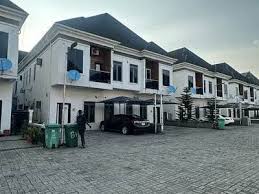
Rents have continued to rise in several major residential areas, particularly in Lagos, placing additional financial pressure on tenants whose incomes have struggled to keep pace with rising living costs.
Nigeria is also facing a housing challenge involving about 15.2 million structurally inadequate housing units, in addition to a separate housing deficit of more than 15 million homes.
The Federal Government is implementing the Renewed Hope Estates and Cities programme as part of efforts to address the housing shortage.
Renewed Hope Cities are public-private partnership developments spread across the six geopolitical zones and the Federal Capital Territory, with one-bedroom homes priced at about N22 million.
Renewed Hope Estates are smaller government-funded housing clusters containing about 250 units, with individual units priced between N8 million and N9 million.
Despite these interventions, the shortage of housing continues to put pressure on both the cost and availability of accommodation.
What You Should Know
The Federal Government estimates that Nigeria needs approximately 550,000 new housing units every year over the next decade to tackle the housing shortage, requiring an estimated investment of about N5.5 trillion annually.
The housing crisis has also increased calls for reforms that would make housing finance more accessible and reduce the cost of owning a home.
Housing stakeholders have advocated stronger mortgage laws, housing finance guarantees, tax incentives and VAT reliefs to encourage greater investment in housing development.
They have also called for expanded housing finance institutions and wider adoption of rent-to-own and cooperative housing arrangements.
Meanwhile, Nigeria’s food inflation also increased to 20.31% year-on-year in July 2026, marking its highest level since September 2025 despite the continued decline in headline inflation.