
Northern Leaders Living in Anambra Reject Claims Obi Discriminated Against Them
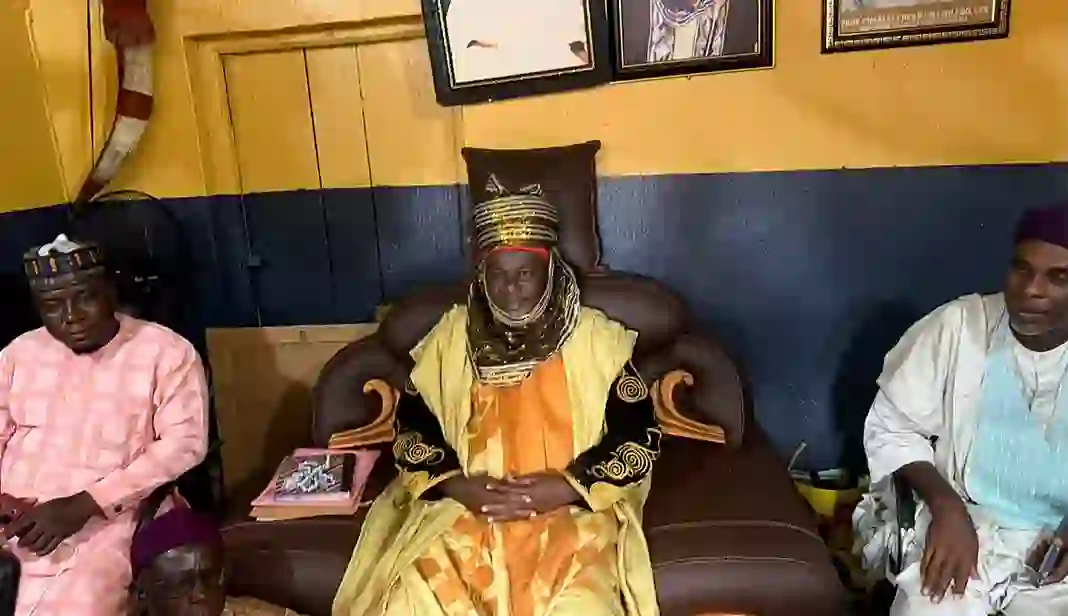
Leaders of the Northern Community in Anambra State have rejected allegations that former governor Peter Obi discriminated against northerners during his tenure, describing the claims as politically motivated ahead of the 2027 general election.
The community leaders, who spoke separately in Onitsha and Awka, also dismissed allegations that Obi ordered the demolition of a mosque in the state while serving as governor.
They said their experience during Obi’s administration was contrary to the claims, citing programmes such as free education, agricultural loans and sponsorship for the annual Hajj pilgrimage as examples of support extended to members of the northern community.
Those who spoke included Mahmud Ibrahim, Secretary of the Northern Community covering Anambra and Delta states; the traditional ruler of the Hausa Community in Awka, Alhaji Garba Haruna; and the Chairman of the Northern Community in Anambra, Alhaji Gidado Sidikki.
Ibrahim said the mosque referenced in the allegation was demolished before Obi assumed office.
According to him, the mosque was destroyed in February 2006 during a reprisal attack linked to the Sharia crisis, while Obi became governor in March of that year.
He said Obi subsequently visited northerners who had taken refuge at the Army Barracks in Onitsha and later accompanied them back to the mosque site, where he contributed money towards its reconstruction.
“Our relationship with Mr Peter Obi during his tenure as governor and even now is cordial. We want to make it clear that the rumour that he demolished our mosque while he was governor is untrue,” Ibrahim said.
He also denied claims that Obi forced northerners to obtain identification cards as a condition for living in Anambra.
Ibrahim explained that the identity cards issued to members of the northern community were introduced by the community itself to facilitate identification, while the Anambra State identification card was issued to residents generally.
Haruna, the Hausa community traditional ruler in Awka, also denied witnessing any policy under Obi that discriminated between indigenes and non-indigenes.
He said members of his family benefited from the former governor’s free education programme, while he personally benefited from the administration’s sponsorship of the Hajj pilgrimage.
“My relationship then and even now remains cordial. My children benefited from the free education programme, and I personally benefited from his sponsorship for Hajj,” Haruna said.
He added that Obi had continued to maintain ties with the northern community since leaving office, including attending community events and sending gifts during Salah celebrations.
Sidikki, the community chairman, also said he benefited from Obi’s agricultural loan scheme, receiving N10 million under the programme.
He said the loan was made available to him under the same conditions as other beneficiaries and alleged that the former governor’s administration eventually settled the outstanding loans before leaving office.
“The way they gave the loan to me was the same way they gave it to others. There was no discrimination,” Sidikki said.
He also said his son, who benefited from the former governor’s free education programme, is currently pursuing a PhD in China.
The community leaders maintained that their experiences contradicted allegations of discrimination against northerners under Obi’s administration.
They accused Obi’s political opponents of using the claims to undermine his reputation ahead of the 2027 election and said they intended to mobilise members of the northern community in Anambra to support him when campaigns begin.
The leaders also expressed optimism about Obi’s electoral prospects, citing the possibility of a political alliance involving former Kano State governor Rabiu Kwankwaso, whom they referred to as “our brother.”