



Correlation Between Rising Kidney Failure Among Young Males and Energy Drink Consumption
A worrying health trend is emerging in Nigeria; a sharp increase in kidney failure cases among the nation’s young men. Nephrologists report that this demographic shift is increasingly linked to the excessive consumption of energy drinks, a habit that is placing immense strain on the country’s already fragile healthcare system.
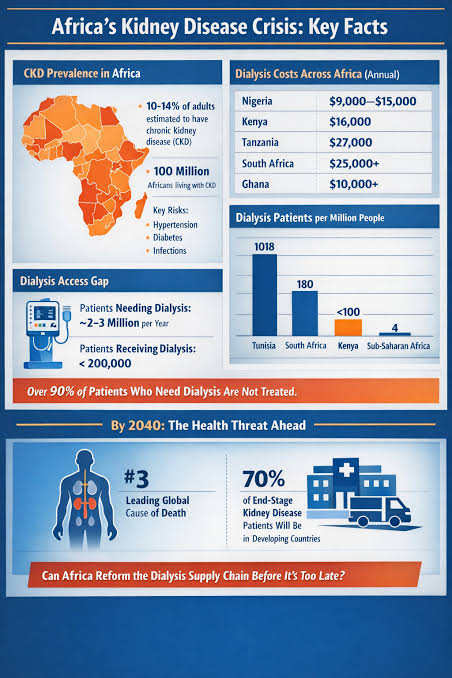
Chronic kidney disease has become a major public health concern in Nigeria, affecting about 12 percent of the adult population. In 2025, an estimated 230,000 Nigerians required dialysis—yet only 354 functional machines were available nationwide, highlighting the severe treatment gap. While globally the condition predominantly affects the elderly, experts have observed a troubling shift: many patients are now in their 20s, 30s, and 40s.
Medical experts have identified multiple factors driving this trend, including poorly managed hypertension, uncontrolled diabetes, and abuse of painkillers. However, energy drinks have emerged as a particular concern. According to nephrologists, “The sad thing about kidney disease in Nigeria is that it affects relatively younger people compared with what we see in Caucasians”. The ingredients create a toxic burden: high caffeine content spikes blood pressure—a major risk factor for kidney damage—while high sugar content leads to diabetes, and excessive taurine places additional metabolic strain on renal function.
A 2024 study from Nigeria’s Nnamdi Azikiwe University provided damning evidence. Researchers found that young men aged 18–26 who consumed two specific energy drink brands (Fearless and Predator) for just one month showed “significant changes in renal indices which could have a deleterious impact on kidney health”. A 2026 meta-analysis of preclinical studies reinforced these observations, concluding that long-term consumption leads to renal damage affecting both kidney morphology and function.
Case reports also underline the danger: a 20-year-old who consumed six cans daily developed acute kidney injury alongside caffeine intoxication. A 31-year-old patient also developed acute kidney injury from long-term energy drink use, with laboratory testing revealing hypercreatininemia (blood creatinine 161.0 μmol/l) and a severely reduced glomerular filtration rate of 48 ml/min.
Regulatory and Public Health Dimensions
The problem in Nigeria is compounded by the proliferation of counterfeit products. “Fake, unregulated, and chemically laced” beverages have been linked to severe health complications including kidney, liver, and brain damage, with documented fatalities in Kano and Ogun states. NAFDAC has issued public alerts, including a 2023 warning against the unregistered G Fuel brand for its dangerously high caffeine content, but the problem persists due to high demand for cheap alternatives.
Urgent Calls for Action
Healthcare professionals and public health advocates are urging a comprehensive response. Recommendations include:
· Intensified awareness campaigns targeting schools and communities, emphasizing the renal risks of energy drink consumption.
· Stronger regulatory enforcement to crack down on counterfeit and unregistered energy drink brands.
· Investment in preventive healthcare, including expanded access to blood pressure and kidney function screening.
· Enhanced kidney care infrastructure, particularly subsidized dialysis and transplant programs.
The rising burden of kidney failure among young men is a preventable tragedy. As evidence linking excessive energy drink consumption to renal damage continues to mount, immediate action is essential to safeguard the health of a generation.