
Atiku Faults Tinubu Over Rising Debt, Cost of Living, Demands Full Account
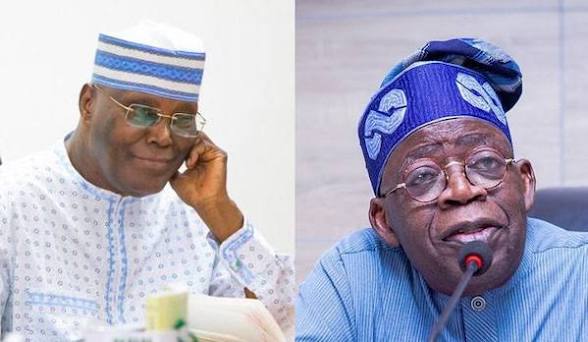
Former Vice-President Atiku Abubakar has criticised President Bola Tinubu’s administration over the rising cost of living and Nigeria’s growing public debt, describing the government’s economic record as deeply damaging to Nigerians.
Atiku, in a statement issued by Phrank Shaibu, Director of Strategic Communications of the ADC Presidential Campaign Council, questioned the continued borrowing by the Federal Government despite official claims of increased revenue and economic recovery.
He cited figures from the Debt Management Office (DMO), which put Nigeria’s public debt at ₦166.79 trillion as of June 30, 2026, compared with ₦49.85 trillion recorded in March 2023.
According to him, the government should provide Nigerians with a detailed explanation of the increase, including the portion attributable to previously unrecorded debt, exchange-rate effects on foreign obligations and fresh loans obtained since Tinubu assumed office.
Atiku also demanded disclosure of the amount of debt already repaid and the outstanding obligations, arguing that accounting explanations should not obscure the extent of new borrowing.
He said the country’s debt situation must be assessed alongside the economic pressure facing households, pointing to increases in food, transportation, energy, education and housing costs.
The former vice-president argued that improvements in government revenue and other macroeconomic indicators had not translated into corresponding relief for ordinary Nigerians.
He said recent fuel prices had added to the pressure on households, noting that petrol sold for about ₦1,400 per litre in Lagos and Abuja and up to ₦1,500 in some parts of northern Nigeria in September, while diesel prices had risen above ₦2,000 per litre.
Atiku further raised concerns over the amount of government revenue being committed to debt servicing.
Citing BudgIT, he said debt servicing had reached ₦12.52 trillion against ₦18.63 trillion in revenue by the third quarter of 2025, representing 67.2 per cent of the revenue cited.
He also referred to President Tinubu’s remarks at the Africa Forward Summit in Nairobi in May, where the president reportedly said Nigeria would spend about $11.6 billion on debt servicing in 2026, describing the figure as nearly half of projected revenue.
Atiku said the situation required greater scrutiny because increasing debt-service obligations could reduce the funds available for infrastructure, social services and other government priorities.
He also called for greater transparency over the DMO’s external debt-service schedule for the second quarter of 2026.
The former vice-president further urged Tinubu and the ruling All Progressives Congress (APC) to apologise to Nigerians over the hardship associated with policies introduced since 2023, including the removal of fuel subsidy and the depreciation of the naira.
He argued that Nigerians had been repeatedly told that the economic difficulties created by the reforms would eventually produce broader benefits, but questioned whether those benefits had materialised for households facing higher living costs.
Atiku said the government should account for the revenues generated, reconcile its borrowing, explain its debt obligations and demonstrate how the sacrifices made by Nigerians had translated into tangible improvements.
He maintained that the ultimate measure of economic performance should be the ability of citizens to afford basic necessities rather than government revenue figures or other macroeconomic indicators.
Atiku consequently urged the administration to provide Nigerians with a comprehensive account of its borrowing and expenditure and reconsider seeking another mandate from voters.