
Nigerians Ditch Petrol Bikes for Electric Rides as Fuel Prices Soar
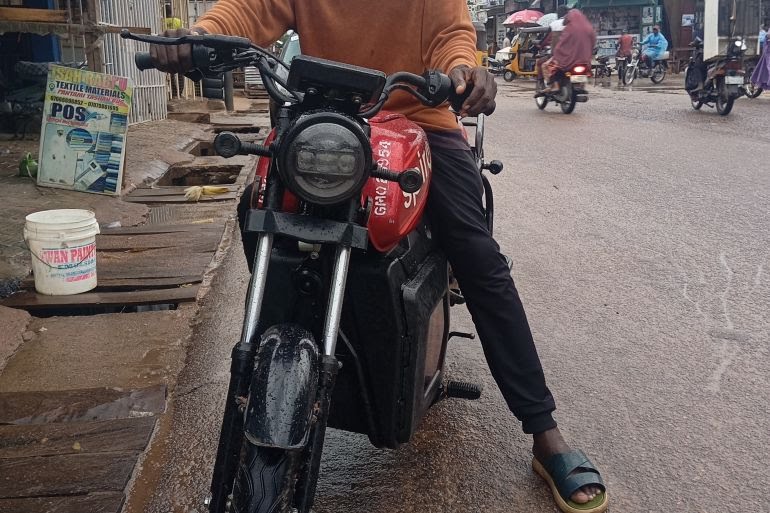
In Gombe, a quiet transport revolution is taking shape on the streets of Pantami District. Where the roar of petrol-powered motorcycles has long defined the rhythm of Nigerian city life, a growing number of riders are now gliding past almost silently, trailing no exhaust fumes and drawing curious glances from pedestrians unaccustomed to hearing nothing but a horn announce an approaching bike.
The shift is not driven by any government climate initiative but by the harsh economics of daily survival. Since President Bola Tinubu scrapped Nigeria’s decades-old fuel subsidy at his inauguration in May 2023, petrol prices have climbed relentlessly, squeezing commercial riders, traders and everyday commuters who depend on motorcycles to move around.
In Gombe, petrol now sells for roughly 1,365 naira per litre, a steep jump from the approximately 200 naira it cost before subsidies were removed. That single policy change has rippled through transport costs and household budgets nationwide.
Electric motorcycles, though still priced around one million naira and out of reach for many families, are increasingly being seen as the smarter long-term investment by those who can afford the initial outlay. Farmer and Gombe resident Ayuba Abubakar made the switch earlier this year after a friend’s visit inspired him to try one out. He has now used the bike for about three months, and beyond a charger that burned out from not using a stabiliser, he says he has faced none of the recurring mechanical headaches that typically plague petrol-powered bikes.
He estimates the switch saves him roughly 5,000 naira a week in fuel costs alone, though he acknowledges prices still need to fall further before the technology becomes accessible to the average Nigerian.
Other riders point to different perks. One no longer worries about the recurring cost of engine oil, while another says he was drawn in simply by how quiet the ride is compared to the constant drone of a combustion engine.
Still, the biggest obstacle to wider adoption has nothing to do with the bikes themselves and everything to do with Nigeria’s chronically unreliable power supply. Many households receive only a few hours of electricity a day, a problem made worse by a tariff system that bands customers according to how much power they’re allocated.
Muhammad Abubakar, chief executive of clean-energy firm Sustenaa, warns that the environmental gains of electric bikes could be wiped out entirely if riders end up relying on petrol generators to charge them. He argues that solar-powered battery-swap stations, rather than home charging, offer a more realistic path forward, and he is urging the government to cut import duties on electric-bike components, support battery-swap operators, set clear recycling standards for used batteries, and fold electric mobility into existing solar mini-grid projects.
For now, electric motorcycles remain a niche presence on Gombe’s roads. But with fuel prices showing no sign of easing and battery-swap infrastructure inching forward, industry watchers say the technology could offer a meaningful dent in air pollution if it scales beyond early adopters, particularly in bike-heavy cities like Lagos, Kano and Port Harcourt, where petrol-powered fleets currently pump out significant volumes of exhaust daily.
Photo Credit: Al Jazeera