






Why We Rejected 15.5m Barrels of Crude in Q2, Explains Dangote
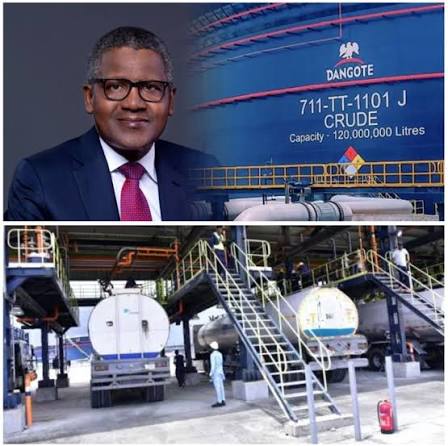
The Dangote Petroleum Refinery and Petrochemicals has explained its decision to reject some crude oil supplies in the second quarter of 2026, saying the key issue was the availability of crude at commercially viable prices rather than the volume formally offered by local producers.
The clarification followed data released by the Nigerian Upstream Petroleum Regulatory Commission (NUPRC), which showed that the refinery received 52.6 million barrels out of 68.1 million barrels offered to it between April and June.
The commission had reported that the refinery required 63 million barrels during the period but accepted about 77 per cent of the crude offered, leaving a difference of 15.5 million barrels.
According to the NUPRC figures, the Dangote Refinery accounted for about 98 per cent of the 69.3 million barrels of crude offered to all domestic refineries during the quarter.
However, in a statement issued by the Dangote Group on Tuesday night, the company said it remained committed to purchasing Nigerian crude and supporting the objectives of the Domestic Crude Supply Obligation (DCSO).
Group Vice President, Oil & Gas and Fertiliser at Dangote Industries Limited, Devakumar Edwin, said the refinery’s concern was whether the crude volumes offered could actually be purchased in sufficient quantities and at prices that made economic sense.
Edwin said the refinery had repeatedly faced difficulties obtaining adequate crude directly from Nigerian producers, adding that some supplies had recently been offered at prices substantially higher than prevailing international market benchmarks.
He said the refinery was willing to buy Nigerian crude provided it was available in adequate quantities and at competitive market prices.
According to him, maintaining commercially sustainable crude procurement is necessary for the refinery to operate efficiently and supply petroleum products to Nigerians at competitive prices.
Edwin further disclosed that since the introduction of the DCSO framework, a considerable portion of the refinery’s crude allocation had been obtained through international oil companies and other intermediaries rather than directly from local producers.
He said the involvement of additional parties often resulted in premiums and other transaction costs, pushing the price of Nigerian crude above international benchmarks published by market agencies such as Platts and Argus.
The Dangote executive argued that when crude supplied through intermediaries becomes more expensive than comparable international alternatives, purchasing locally becomes less economically attractive.
He added that increased crude acquisition costs ultimately affect the cost of refining and could translate into higher prices for petroleum products in the domestic market.
Dangote therefore maintained that its position was not a rejection of Nigerian crude, but a call for sufficient domestic supply at competitive prices that would support the long-term sustainability of local refining.


