


Indonesia Names Destry Damayanti New Central Bank Governor
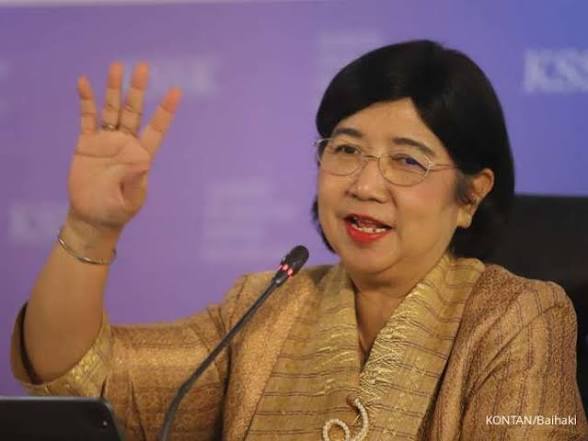
Indonesia’s President, Prabowo Subianto has nominated acting central bank governor, Destry Damayanti as the sole candidate to become the country’s next governor, following the unexpected resignation of Perry Warjiyo last month.
Presidential spokesman, Prasetyo Hadi confirmed the nomination on Monday, saying the government had submitted only Damayanti’s name for consideration.
“There is only one name, it is Destry Damayanti,” Hadi told reporters in Jakarta.
The nomination now goes before Indonesia’s parliament for approval. The legislature is currently in recess, while financial markets are expected to closely monitor the process because of concerns over the independence of Bank Indonesia.
Damayanti, 62, is an economist who has served as a deputy governor of the central bank since 2019. She assumed the acting governor’s position following Warjiyo’s departure.
Warjiyo’s resignation in late July was the second unexpected departure of a senior economic policymaker since Prabowo became president in October 2024.
The change has prompted speculation among analysts that the former governor may have faced pressure to align monetary policy more closely with the administration’s economic growth objectives.
The choice of his successor is therefore being viewed as an important indication of the government’s approach to the independence of the central bank.
Prabowo’s nephew, Thomas Djiwandono, who also serves as a deputy governor, had previously been mentioned as a possible contender for the position.
Concerns about Bank Indonesia’s autonomy have also intensified following legislation passed in July that gives parliament a role in assessing the central bank’s performance and assigns it responsibility for supporting economic growth, one of the administration’s key priorities.
Warjiyo’s resignation came as Indonesia faced economic and financial pressures, including a sharp decline in the rupiah and weakness in the country’s stock market.
The rupiah has fallen by about seven per cent since the Middle East conflict began in February, making it the worst-performing currency in Asia over the period, according to Bloomberg News.
Bank Indonesia’s board of governors, consisting of the governor and several deputies, is responsible for setting monetary policy and determining interest rates.
At its final policy meeting under Warjiyo in late July, the central bank left its benchmark interest rate unchanged at 5.75 per cent, following cumulative rate increases of 100 basis points earlier in the year.
Capital Economics said the rate increases may have caused frustration within the government as the administration seeks stronger economic growth.