
MTN Chairman Blasts Xenophobia, State Failure, Says South Africa Is Nothing Without Africa
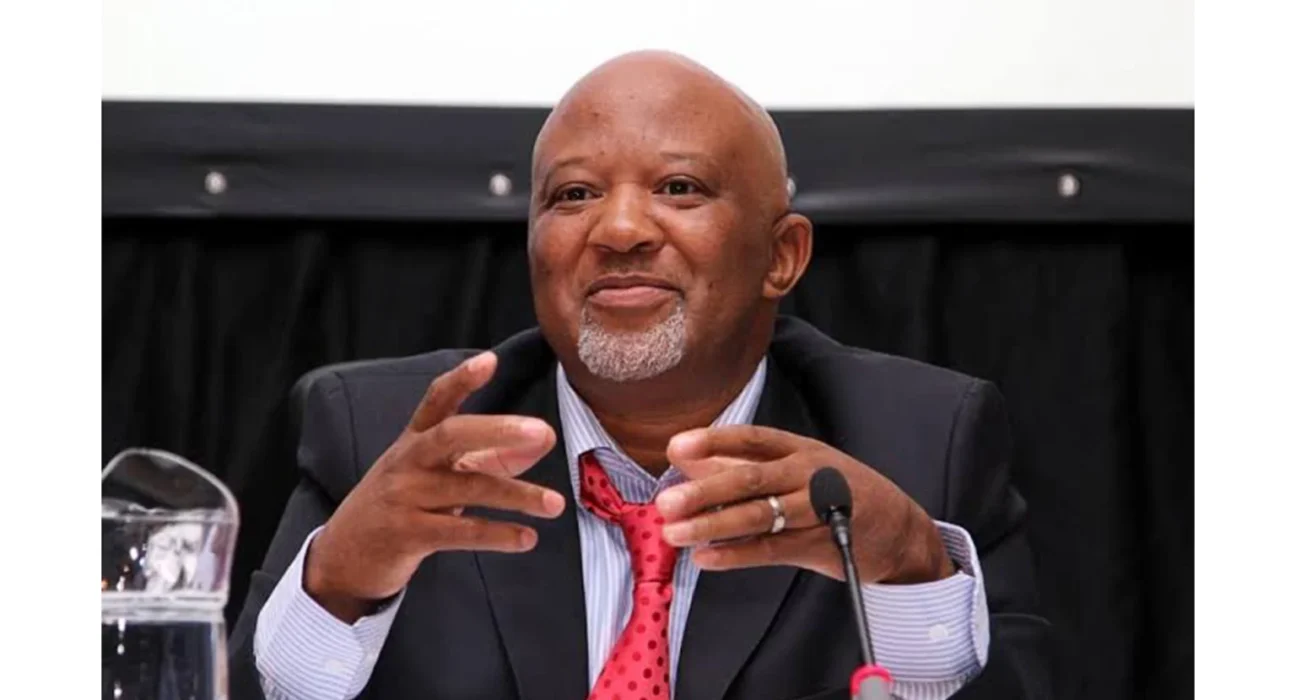
MTN Group Chairman, Mcebisi Jonas has issued a powerful rebuke against the rising tide of xenophobia and anti-immigrant sentiment in South Africa, declaring that the nation’s socio-economic survival is deeply intertwined with the rest of the African continent.
Jonas delivered the remarks during the funeral service of Thokozani Damasane, a Zimbabwean-born activist and public servant who dedicated his life to South African public service.
The speech is being widely regarded across political and business circles as one of the most significant interventions by a top African corporate executive into the country’s ongoing immigration crisis.
The MTN chairman, who previously served as South Africa’s Deputy Minister of Finance, strongly argued that targeting foreign nationals is a misplaced distraction from deep-seated domestic governance failures. He maintained that using immigrants as scapegoats for widespread unemployment, inequality, poverty, and institutional decay is a cynical strategy deployed by opportunistic politicians to win elections rather than fix the country.
“Foreigners can leave tomorrow, inequality will still be with us. Foreigners can leave tomorrow, unemployment will still be with us. Foreigners can leave tomorrow, our police will remain corrupt,” Jonas told mourners.
He further criticized the resurgence of ethnic and identity politics, tracing its roots to colonial structures designed to divide African societies. Jonas warned that this dangerous brand of identity politics has mutated to fuel discrimination not just against immigrants, but between different South African communities as well.
Emphasizing that South Africa’s economic future hinges entirely on regional integration and mutual solidarity, Jonas urged citizens to reject exclusionary nationalism and return to a shared continental consciousness.
His comments carry major weight across the continent, particularly for MTN, Africa’s largest telecommunications provider, which has deep commercial footprints in 19 African markets including Nigeria and Ghana where domestic xenophobic tensions frequently strain diplomatic relations and cross-border business investments.