


Kebbi State Government Rejects Senator Maidoki’s Claim on APC Ticket Loss
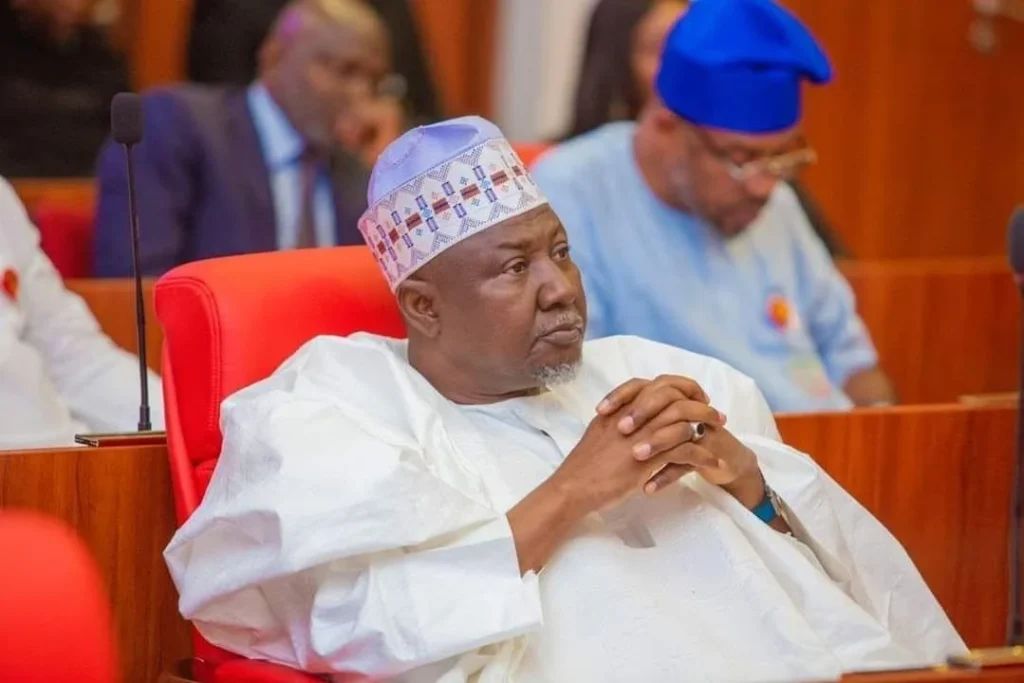
The Kebbi State Government has strongly dismissed claims made by Senator Garba Musa Maidoki that he was denied the All Progressives Congress (APC) ticket for re-election because of his criticism of insecurity in the state. The senator had alleged that his outspoken comments about bandit attacks, especially in the Zuru axis, cost him the party’s support. Officials described the claim as misleading and an attempt to explain his failure to secure the ticket during the recent APC primaries.
In a statement issued by Ahmed Idris, Chief Press Secretary to Governor Nasir Idris, the government said insecurity is a shared responsibility that involves all stakeholders, including security agencies and the people.
They argued that if the senator entered politics mainly to fight insecurity, then the people have the right to assess his performance and decide whether he deserves another term. The government maintained that the primary election outcome reflected the genuine choice of party members and stakeholders.
The statement also rejected suggestions that Governor Nasir Idris influenced the result of the APC primary. It emphasised that the governor believes in democratic principles and does not determine the political fate of elected officials. Political success, according to the government, depends on performance, acceptance by the people, and the confidence of party members rather than the wishes of any single individual.
The Kebbi State Government highlighted some progress made in tackling insecurity, particularly in the Zuru Emirate, where many residents have been able to return to their farms and communities. Officials urged Senator Maidoki to accept the outcome of the democratic process in good faith and avoid making statements that could mislead the public.
This development follows Senator Maidoki’s recent defection from the APC to another party after losing the ticket ahead of the 2027 elections. The exchange of words has brought attention to internal party issues and the broader challenges of insecurity in parts of Kebbi State.