

Emeka Ike Sues INEC, Wike’s Aide Over Breach of Data Privacy, Demands N10bn Damages
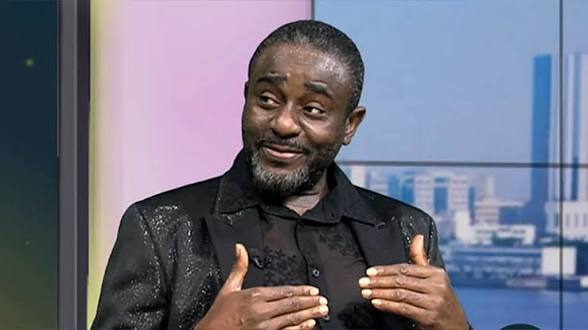
Veteran Nollywood actor and politician, Emeka Ike has filed a lawsuit against the Independent National Electoral Commission and Lere Olayinka, Senior Special Assistant on Public Communications and Social Media to the Minister of the Federal Capital Territory, Nyesom Wike, over the alleged unlawful exposure of his personal voter data, demanding N10 billion in damages for the breach of his constitutional right to privacy.
The suit is the culmination of a controversy that erupted on May 30, 2026, when Olayinka took to his X handle to question the eligibility of Ike to contest the House of Representatives seat for the AMAC/Bwari Federal Constituency in the FCT under the Nigerian Democratic Congress. In the post, Olayinka alleged that Ike, a native of Imo State, had only recently transferred his voter registration to the FCT — a claim he backed with two screenshots widely believed to have been obtained from INEC’s restricted Continuous Voter Registration administrative portal.
The images contained a trove of Ike’s personal information, including his full name, profile photograph, Voter Identification Number, application number, designated registration centre, and the date of his application.
The post triggered immediate public outrage, with critics questioning how a government aide could access such sensitive data from what is considered one of the most secured databases in the country. Reacting in multiple media appearances, Ike described the incident as a flagrant abuse of power and an affront to the privacy of every Nigerian citizen. “It’s quite shocking, extreme, and it is the height of political rascality for a government officer to access a citizen’s information from the INEC cyber. It tells you a lot, shows how much impunity we have flying around. People have access to things they shouldn’t be having access to,” the actor said.
He added that Olayinka’s actions amounted to a deliberate demonstration of power, saying the aide was effectively telling all Nigerians that their data could be accessed and weaponised at will.
Ike also disclosed that he felt deeply unsafe following the incident, describing it as a deeply unsettling experience. “It was shocking. It was so disturbing that I felt unsafe. I felt insecure. For the first time, I’m feeling like, is anybody safe in this country anymore?” he said. His legal team, led by counsel Leonard Adeh, held a press conference in Abuja where they described the exposure as a serious criminal breach of their client’s privacy rights and warned that it struck at the very credibility of Nigeria’s electoral system ahead of the 2027 general elections.
A second member of the legal team, Abdulhameed Otori, argued that if a figure of Ike’s public standing could have his data leaked in this manner, then no Nigerian’s personal information was safe with INEC.
INEC, for its part, confirmed that the data exposure was not caused by an external cyberattack but by the use of valid staff credentials assigned for official voter registration duties. The Commission said its audit trail had identified the user account through which the information was accessed and indicated that the Department of State Services had commenced an investigation into the matter.
However, the response was widely seen as insufficient, with critics and tech analysts calling for stronger safeguards, including dual-approval access controls for sensitive production data, and a comprehensive review of the Commission’s digital infrastructure.
With the suit now formally before the court, the case is being watched closely as a potentially landmark test of data privacy law in Nigeria. Ike’s legal team has argued that the matter goes beyond a personal grievance and represents a broader question of how securely the state protects the personal data of its citizens, particularly as the country approaches a critical election cycle in 2027.