



CAPPA Applauds Senate’s Approval of Sugar Tax Reform Bill, Urges Swift Passage
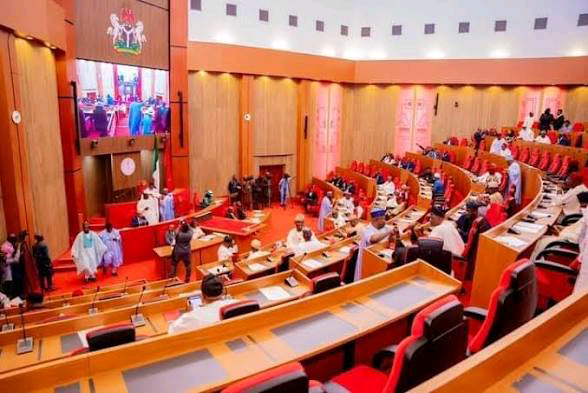
Corporate Accountability and Public Participation Africa (CAPPA) has commended the Senate for passing a bill seeking to reform Nigeria’s tax regime on Sugar-Sweetened Beverages (SSBs), describing the move as a significant step toward addressing the country’s growing burden of non-communicable diseases (NCDs).
The public health advocacy organisation also urged the House of Representatives to fast-track consideration of the legislation and facilitate its transmission to President Bola Tinubu for assent.
The proposed legislation seeks to replace the current N10-per-litre excise duty on sugar-sweetened beverages with a percentage-based levy linked to retail prices. It also provides for a portion of the revenue generated to be dedicated to health promotion and disease prevention programmes.
In a statement issued on Wednesday, CAPPA Executive Director, Akinbode Oluwafemi, described the Senate’s approval of the bill as a bold and timely intervention in response to Nigeria’s worsening public health challenges.
According to him, the passage of the bill demonstrates the Senate’s commitment to addressing the increasing prevalence of non-communicable diseases and advancing public health policies.
He called on lawmakers to complete the remaining legislative processes without delay to ensure the bill becomes law.
Oluwafemi also praised the sponsor of the legislation, Senator , for championing reforms aimed at strengthening Nigeria’s healthcare system.
He noted that Banigo previously sponsored the National Health Act Amendment Bill, which was passed in April 2026 and increased allocations to the Basic Health Care Provision Fund from one per cent to two per cent of the Consolidated Revenue Fund.
The CAPPA chief said the proposed reforms would bolster efforts to combat non-communicable diseases, which continue to pose a major public health challenge in the country.
He cited data indicating that nearly one in three deaths in Nigeria is linked to non-communicable diseases and that more than 11 million Nigerians are living with diabetes.
According to him, the increasing prevalence of conditions such as Type 2 diabetes, hypertension, cardiovascular diseases, obesity and dental diseases is partly driven by excessive consumption of sugar-sweetened beverages.
Oluwafemi argued that the existing N10-per-litre excise duty introduced under the Finance Act has had limited impact on reducing consumption patterns or improving public health outcomes.
He maintained that transitioning to a price-based taxation model would align Nigeria’s policy framework with global best practices and recommendations of the .
He explained that fixed-rate taxes often lose effectiveness over time as manufacturers absorb the costs and inflation erodes their impact, whereas a percentage-based levy would remain responsive to market realities and better discourage excessive sugar consumption.
Oluwafemi further welcomed the provision allocating part of the tax revenue to health promotion and disease prevention initiatives, noting that it could strengthen preventive healthcare programmes and improve access to essential health services.
While applauding the Senate’s action, he stressed the importance of transparency and accountability in managing the earmarked funds to ensure they are deployed effectively and achieve their intended objectives.
He warned that Nigeria faces a preventable public health crisis driven by unhealthy dietary habits and weak regulatory measures, insisting that strengthening the sugar-sweetened beverage tax should be viewed as a critical public health intervention rather than merely a revenue-generating policy.
According to him, a stronger SSB tax framework, supported by dedicated funding for healthcare initiatives, would contribute significantly to reducing the country’s disease burden and improving long-term health outcomes.
Oluwafemi added that while lawmakers had taken an important step with the Senate’s approval of the bill, further action was required to ensure the reform is fully enacted and implemented.