



Elephant Attack in Oyo Community Leaves One Dead, Another Missing
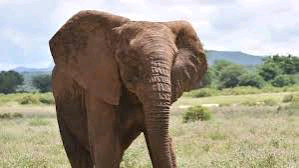
The Oyo State Police Command has confirmed a deadly elephant attack in Innayin Community, Oyo State, which left one person dead and another missing.
Police spokesperson, Ayanlade Olayinka, said the incident occurred on Thursday around 3:30 p.m. when a wild elephant reportedly entered the community and attacked residents.
According to the statement, police operatives, working alongside local vigilantes and hunters, responded to a distress call and later found the body of a 45-year-old man, Ibrahim Tijani, in a nearby bush. He was confirmed dead with injuries believed to have been caused by the animal.
His remains have been deposited at the General Hospital in Iwere-Ile for preservation and further examination.
During continued search efforts, another resident, 50-year-old Muhammadu Bingin, was declared missing after reportedly encountering the same animal. Security teams are still combing surrounding areas in an attempt to locate him.
The police assured residents that the situation is being managed, urging people in Innayin and nearby communities to stay away from the affected area and report any sighting of the animal.
Oyo State Commissioner of Police, Abimbola Ayodeji Olugbenga, appealed for calm, stating that officers are working with relevant stakeholders to secure the area and prevent further incidents.
He also confirmed ongoing collaboration with wildlife authorities, including the National Park Service, to better understand and manage the situation.
While the National Park Service has yet to issue an official statement, a senior official suggested that the elephant may have been moving along a known migratory route.
The official noted that human activity, including farming along wildlife corridors, may be contributing to increasing encounters between humans and elephants. He added that elephants can become aggressive when provoked or when their paths are obstructed.
Wildlife experts have observed a rise in human-elephant conflict across parts of Nigeria, driven by habitat loss, agricultural expansion and environmental pressure.
Nigeria’s elephant population has also declined sharply over the years, with remaining herds increasingly restricted to protected areas or fragmented habitats, raising the likelihood of contact with rural communities.
Authorities say further assessments will be carried out to determine the movement patterns of the animal and prevent future incidents in the area.