
FG Reaffirms Fuel Deregulation Amidst Middle East Oil Crisis
By 𝔸bdulrazak Tomiwa
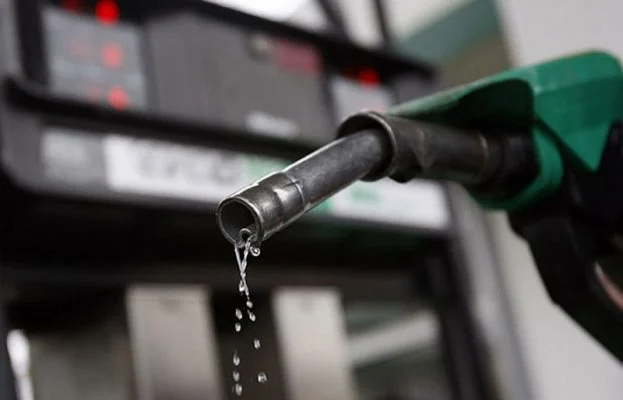
The Federal Government has officially ruled out reintroducing fuel price controls or subsidies, despite global oil market volatility caused by the Middle East crisis.
Finance Minister, Wale Edun reaffirmed the government’s commitment to its deregulation policy.
Edun clarified that the administration’s economic strategy relies on market-based pricing for petroleum and foreign exchange. He described these as vital reforms by President Tinubu to eliminate long-standing economic distortions.
The Minister noted that while Middle East tensions could drive crude prices higher, the government will not revert to fixing prices. Instead, they will maintain the market-pricing mechanism recently established in Nigeria.
The government plans to address rising costs through targeted fiscal measures and non-monetary interventions rather than price caps. The goal is to protect public welfare without disrupting natural supply and demand dynamics.
A primary strategy to cushion high petrol costs is the rapid expansion of the Compressed Natural Gas (CNG) initiative. This includes distributing 100,000 conversion kits to help transport workers transition to cheaper fuel.
CNG is significantly more affordable, costing roughly 25 to 30 percent of the current price of petrol. The government aims for this shift to lower transportation costs and reduce overall inflationary pressures.
While acknowledging that the Middle East conflict threatens global supply chains, the Economic Management Team is monitoring the situation closely. They intend to adjust other policy levers rather than intervene in pricing.
The administration remains proactive regarding external shocks but maintains that price control is not an option. They insist deregulation is essential for long-term economic stability and attracting necessary investment.