

National Assembly Works on Audit Bill to Strengthen Public Accountability, Fiscal Oversight
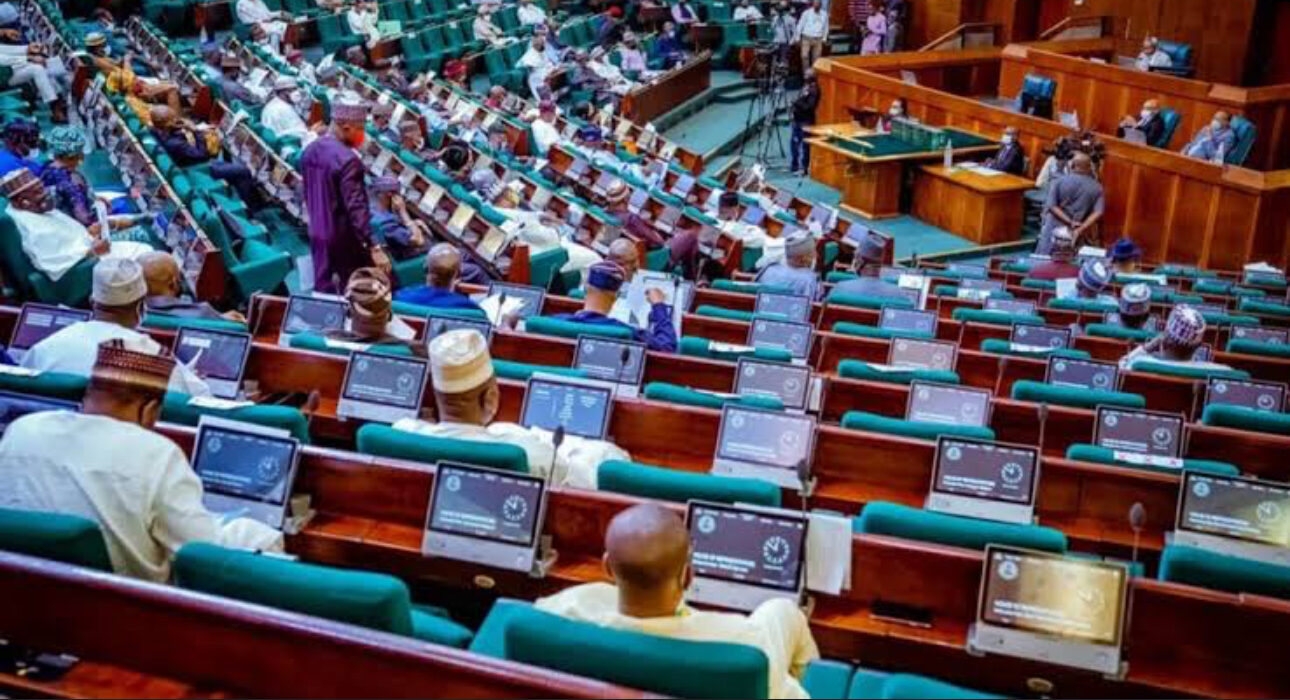
The National Assembly is on the verge of passing a landmark Audit Bill aimed at modernizing Nigeria’s financial oversight system, promoting transparency in the use of public funds, and strengthening the independence of the Office of the Auditor-General for the Federation (OAuGF).
The bill, which has lingered in legislative corridors for years, is now receiving renewed momentum under the 10th Assembly.
The Chairman of the House Committee on Public Accounts, Hon. Bamidele Salam, confirmed that lawmakers are working diligently to ensure its swift passage, describing it as a crucial instrument for enhancing fiscal discipline across all levels of government.
Speaking during a public forum on audit reform and governance, Salam said, “Making public funds work for the public good is not just an aspiration—it must be a guiding principle. This Audit Bill is essential to realigning our public finance management with global standards and ensuring proper accountability from Ministries, Departments, and Agencies (MDAs).”
The current legal framework guiding the Auditor-General’s office is a relic of colonial-era legislation, the 1956 Audit Ordinance, which many experts argue no longer reflects the complexities of modern public administration. The proposed legislation seeks to overhaul that outdated system by granting the Auditor-General administrative and financial autonomy, including first-line charge funding, which ensures the office is no longer dependent on the executive for its operations.
Key provisions in the bill include enhanced powers for the Auditor-General to access records from all MDAs, enforce compliance with audit recommendations, and publish audit reports within defined timelines. It also introduces penalties for institutions or officials who obstruct the audit process or refuse to cooperate with audit inquiries.
The Auditor-General for the Federation, Shaakaa Chira, has been one of the most vocal advocates for the bill. He recently warned that failure to pass the legislation would stall Nigeria’s fiscal reforms and weaken the country’s anti-corruption framework. “Without a strong legal foundation, our ability to enforce transparency is greatly limited. We need this bill to institutionalize the gains made in budget reform and procurement oversight,” he said.
Observers note that the bill, if passed, could significantly improve Nigeria’s standing in global transparency indexes. It is also expected to boost investor confidence by signaling the country’s commitment to responsible governance and financial discipline.
Civil society groups, international donors, and governance advocates have long called for the passage of the bill, viewing it as a vital tool to curb mismanagement and misuse of public funds. Nigeria’s audit framework has consistently been flagged by both local and international watchdogs as weak, with reports often delayed or ignored by the institutions they are meant to hold accountable.
The National Assembly is expected to conclude deliberations on the bill in the coming weeks, with lawmakers expressing optimism that it will receive speedy concurrence from both chambers before being transmitted to President Bola Tinubu for assent.
If signed into law, the Audit Bill would mark a significant milestone in Nigeria’s long journey toward institutional accountability and responsible public governance.