

Reps Dialogue With Petroleum Marketers, Refiners on Downstream Sector Reforms
The House of Representatives Committee on Petroleum Resources (Downstream) has commenced consultations with major stakeholders in Nigeria’s downstream oil sector as part of efforts to harmonise differing views on fuel imports and domestic refining while advancing reforms to strengthen energy security and ensure a stable supply of petroleum products.
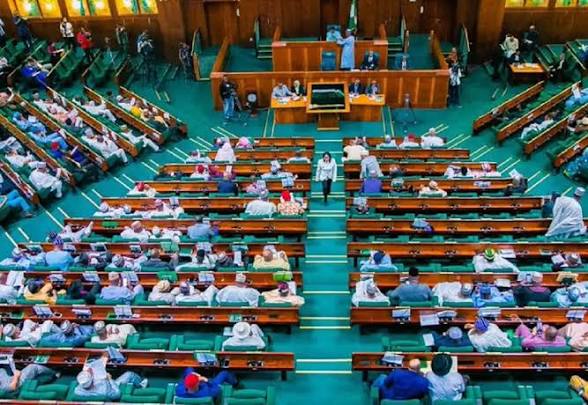
The committee, led by its Chairman, Ikenga Ugochinyere, met on Tuesday at the National Assembly with representatives of the Depot and Petroleum Products Marketers Association of Nigeria (DAPPMAN), the Independent Petroleum Marketers Association of Nigeria (IPMAN), and the Major Energies Marketers Association of Nigeria (MEMAN).
The discussions focused on the future of petroleum imports as Nigeria expands its domestic refining capacity following the implementation of the Petroleum Industry Act (PIA), the deregulation of the petrol market, the rehabilitation of government-owned refineries, and increased production by private refineries.
Ugochinyere said the House was committed to engaging industry operators before introducing policies that would shape the downstream sector, stressing that reforms must reflect the realities faced by businesses responsible for fuel distribution across the country.
He said the committee’s objective was to build consensus among stakeholders, noting that marketers and depot operators play a critical role in maintaining product availability and price stability nationwide.
The lawmaker added that recommendations from the consultations would guide future legislative measures aimed at encouraging investment, promoting healthy competition, strengthening local refining, and ensuring Nigerians have access to affordable and uninterrupted fuel supplies.
Presenting DAPPMAN’s position, Executive Secretary Olufemi Adewole called on the Nigerian Midstream and Downstream Petroleum Regulatory Authority (NMDPRA) to develop clear operating-stock guidelines under Section 182 of the Petroleum Industry Act. He said the framework should provide standards for inventory measurement, reporting, quality control, and accessibility during supply emergencies.
The association also proposed a joint market surveillance mechanism involving the NMDPRA and the Federal Competition and Consumer Protection Commission (FCCPC) to monitor product availability, market concentration, pricing practices, and other indicators that could affect competition.
DAPPMAN further urged the Federal Government to increase investment in transport and storage infrastructure, including roads, rail lines, pipelines, inland waterways, and petroleum depots, while recommending a permanent consultative platform bringing together regulators, marketers, refiners, NNPC Limited, transport agencies, and security institutions to address emerging challenges in the sector.
IPMAN, represented by its National Chairman, Abubakar Shettima, described the downstream petroleum industry as a vital pillar of Nigeria’s economy but said operators continue to face challenges such as high financing costs, multiple taxes, foreign exchange volatility, inadequate infrastructure, pipeline vandalism, and limited access to refined products.
The association appealed for policies that would improve logistics, reduce distribution costs, encourage investment, strengthen competition, and guarantee the continuous availability of petroleum products across the country.
MEMAN, through its Executive Secretary, Clement Isong, acknowledged that Nigeria’s refining capacity is now capable of meeting domestic demand but cautioned against imposing a complete ban on fuel imports. He argued that strategic imports should remain an option whenever local production is insufficient to meet national demand.
Isong also recommended the establishment of a national strategic petroleum reserve capable of sustaining at least 60 days of domestic fuel consumption, saying such a reserve would help protect the country against global supply disruptions and price shocks.
While industry groups expressed different views on the future role of fuel imports, they agreed on the need for consistent government policies, improved infrastructure, stronger regulatory coordination, and sustained collaboration between government and private-sector operators.
The House committee said the recommendations received during the consultations would be considered in developing legislation aimed at building a more competitive, resilient and self-sustaining downstream petroleum industry.