Senator Plang Says Opposition Coalition Came Too Late to Challenge APC in 2027
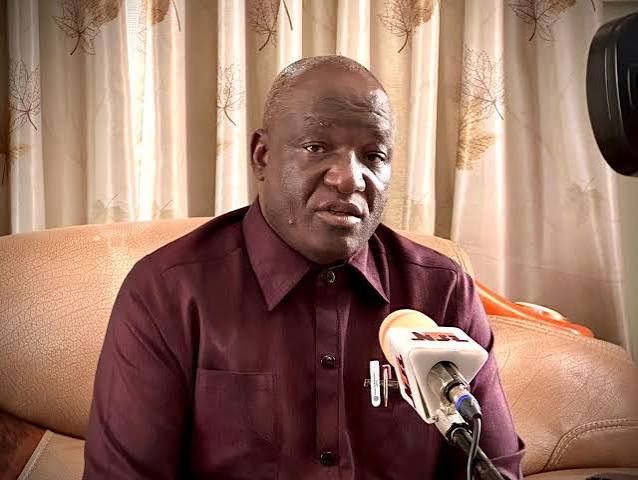
Senator Diket Plang, representing Plateau Central Senatorial District, has described the opposition coalition ahead of the 2027 general elections as a belated political move, arguing that a stronger alliance should have been established before political parties selected their candidates.
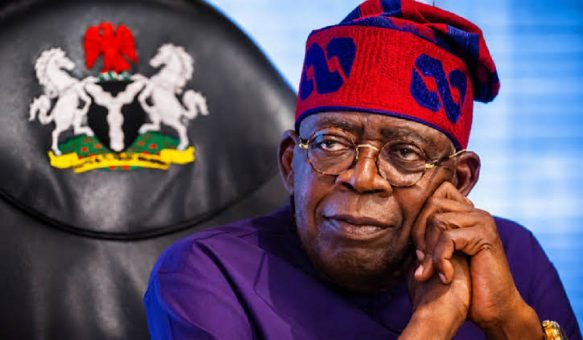
Plang expressed confidence that the All Progressives Congress (APC) would win most elective positions in Plateau State in 2027, while also backing President Bola Tinubu’s bid for a second term.
He said he expected the ruling party to secure victories in the governorship, National Assembly and State House of Assembly elections in the state.
According to the senator, opposition parties missed an opportunity to build a more effective coalition by waiting until after their candidates had emerged before attempting to unite.
He argued that a coalition formed earlier could have allowed the parties to coordinate their political strategies and strengthen their chances of challenging the APC.
Plang described the emerging alliance as a merger driven by convenience rather than a comprehensive political arrangement designed to achieve a common objective.
On concerns about Tinubu’s ability to campaign across the country ahead of the election, the senator questioned whether presidential candidates were expected to visit every state, local government, ward and polling unit personally.
He argued that political parties could effectively communicate their candidates’ programmes through organised campaign structures operating at national, regional, state and grassroots levels.
According to him, campaign teams should be capable of explaining a candidate’s manifesto and communicating policy proposals to voters across the country.
Plang maintained that an effective campaign does not necessarily depend on a candidate personally visiting every community, provided the party has structures capable of reaching the electorate.
The lawmaker identified insecurity as one of the most pressing concerns facing Nigerians and defended the Tinubu administration’s approach to strengthening the country’s security architecture.
He cited efforts to establish additional military formations and improve the welfare of security personnel as measures he believed could help address the problem.
Plang specifically highlighted the establishment of additional military battalions in Mangu, Barkin Ladi and Wase, alongside another formation in Langtang, Plateau State.
He said the presence of more military formations in affected areas could provide reassurance to residents and strengthen security operations.
The senator also argued that improving the welfare of military personnel was necessary to support their performance and sustain efforts against security threats.
He urged Nigerians to consider the administration’s security initiatives and allow it more time to pursue its approach to addressing the country’s challenges.
Plang, who serves on the Senate Committee on Works, also praised the Federal Government’s infrastructure programme, citing road construction projects as examples of investments intended to support long-term economic development.
He referred to the Lagos-Calabar Coastal Highway, saying he initially found the scale of the project difficult to imagine when it was unveiled.
However, he said subsequent visits to the project site and the commissioning of its first phase had given him a clearer understanding of the work being undertaken.
The senator also mentioned the Akwanga-Keffi road corridor, describing the government’s infrastructure projects as investments that could benefit future generations.
He argued that Nigerians should assess political leaders based on their policies and the progress recorded under their administrations.
Plang cautioned against abandoning ongoing initiatives without considering their potential long-term benefits, insisting that infrastructure development and improved security should remain important factors in evaluating the government’s performance.
His remarks come as political parties and opposition groups continue to position themselves ahead of the 2027 general elections, with debates intensifying over coalition-building, campaign strategies and the performance of the Tinubu administration.