
Atiku, Obi Plan to Use $55bn Foreign Reserves for Fuel Subsidy, Alleges APC
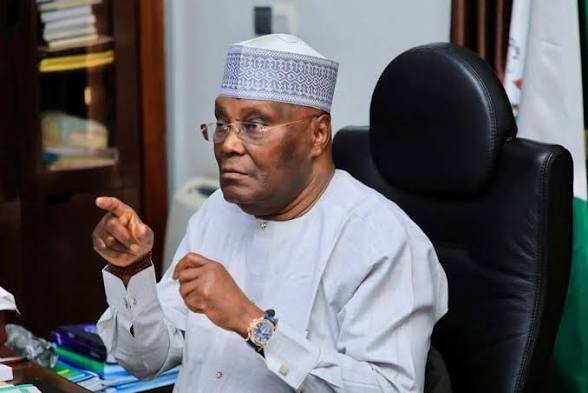
The All Progressives Congress (APC) has accused opposition presidential candidates, Atiku Abubakar and Peter Obi of plotting to plunder Nigeria’s foreign reserves, now exceeding $55 billion, to fund a return of the fuel subsidy regime if elected in 2027.
The allegation was made by APC National Publicity Secretary, Felix Morka, who specifically questioned how Atiku intended to finance his proposed subsidy policy.
“Maybe he is looking at the $55 billion President Tinubu has amassed in our foreign affairs, thinking, if I get elected tomorrow, I can just go there, dip my hands in, and squander it paying subsidy,” Morka said during an interview on Arise News on October 4, 2026.
Morka described such an approach as “economically irresponsible,” arguing that the removal of fuel subsidy was necessary because Nigeria could no longer afford the previous system. He said the government’s reforms were aimed at addressing structural problems and creating a sustainable economy.
Nigeria’s gross external reserves stood at $55.25 billion as of September 18, 2026, the highest level in 18 years, according to Central Bank of Nigeria data cited by Vice President Kashim Shettima. By mid-October, reserves had climbed to $55.1 billion, with net reserves at a record $46 billion.
The APC has repeatedly cited the reserves as evidence of the success of President Bola Tinubu’s economic reforms, which include the removal of the fuel subsidy and the unification of the foreign exchange market.
Atiku’s Response: Reserves Are “National Assets”
Atiku’s campaign dismissed Morka’s allegation, with the Director of Strategic Communications of his Presidential Campaign Council, Phrank Shaibu, stating that Nigeria’s foreign reserves are “not his [Tinubu’s] private savings but national assets”.
Atiku promised that his proposed fuel subsidy would be “transparent, budgeted and tied to petroleum products refined in Nigeria”. He argued that the APC could debate the cost and design of his policy, but calling it a plan to loot reserves “is to downplay the hardship facing families”.
“Tinubu has governed for more than three years. Nigerians can assess his leadership every time they buy food, pay for transport or settle an electricity bill,” Atiku said. “Morka can recite inflated reserve claims and attack Atiku all day. Neither exercise reduces those costs”.
The exchange is the latest flashpoint in a protracted political battle over Nigeria’s fuel subsidy, which Tinubu removed upon taking office in May 2023. The removal more than tripled petrol prices and fuelled a cost-of-living crisis that has become a central issue ahead of the 2027 elections.
Atiku, the presidential candidate of the African Democratic Congress (ADC), has promised a “production subsidy” tied to domestically refined petroleum products, excluding imported fuel and foreign refineries. Obi, the candidate of the Nigeria Democratic Congress (NDC), has also said he would restore the subsidy, but only after tackling corruption.
APC chieftain Olatunbosun Oyintiloye challenged both candidates to explain how they would fund a return to subsidy “without disrupting the payment of salaries and execution of government projects,” warning that the policy would require revising the current wage structure.
Political Context
The APC’s allegation comes as the 2027 presidential campaign intensifies. The ruling party has positioned the reserves and other macroeconomic indicators—including a decline in inflation to 14.63% in September 2026—as proof that its reforms are working, even as Nigerians continue to grapple with high food and fuel prices.
For Atiku and Obi, the subsidy debate offers a way to connect with voters burdened by the cost of living. But it also exposes them to accusations of fiscal irresponsibility from a ruling party eager to defend its economic record.
Whether the allegation resonates with voters may depend less on the technicalities of reserve management and more on whether the Tinubu administration can translate its macroeconomic gains into tangible relief at the pump and in the market.