
Opposition May Name 2027 Consensus Candidate Days Before Election, Reveals Lukman
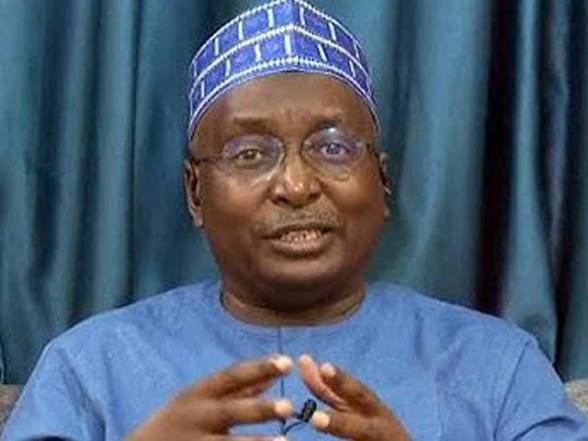
Opposition parties working with the G100 political pressure group may wait until weeks or even days before the 2027 general elections to unveil a single presidential candidate, the group’s convener, Salihu Lukman, has said.
Lukman, a former National Vice Chairman of the All Progressives Congress (APC), disclosed this while appearing on Channels Television’s Hard Copy, saying the parties were committed to the ongoing process of producing a consensus candidate to challenge the ruling party.
He said the decision could be announced “two months, some weeks” or even a few days before the election, depending on the progress of negotiations among the parties and their presidential candidates.
According to him, the process has expanded beyond the six political parties initially involved, with efforts underway to bring additional opposition parties into the alliance.
The G100 emerged from an opposition summit held in Ibadan in April 2026, where participants agreed on the need to form a united political front and present a consensus presidential candidate against the APC in the 2027 election.
Lukman said the political parties and their respective candidates had subsequently assumed ownership of the process, taking over negotiations that were initially driven by the pressure group.
He identified mistrust among the opposition parties and their candidates as one of the major challenges confronting the proposed alliance.
According to him, a meeting held on August 31 established five working groups, including one tasked with developing the framework for selecting a consensus presidential candidate.
He explained that each participating party would nominate representatives to the relevant committees, either through its presidential candidate or the party structure, with the representatives operating under agreed terms of reference.
Lukman said the arrangement was designed to ensure that decisions remained in the hands of the political parties and their candidates rather than external actors.
He also urged opposition politicians and their supporters to avoid rigid positions over the possible candidacies of figures such as Peter Obi, Atiku Abubakar and members of the Kwankwasiyya movement.
He argued that allowing personal or partisan interests to undermine the coalition could ultimately benefit the ruling APC.
Lukman said several supporters of Obi and Atiku were among those who signed the G100’s open letter but stressed that the broader national interest should take precedence over individual political ambitions.
He maintained that the opposition would struggle to defeat the ruling party if its votes remained divided among several presidential candidates.
On the issue of differing policy positions among the participating parties, Lukman said the proposed alliance would not attempt to merge their individual manifestos.
Instead, he said the parties were working towards a minimum programme of action that a government emerging from the coalition would prioritise after the 2027 election.
According to him, the presidential candidates would be expected to endorse the programme beforehand, eliminating disagreements over its implementation should any of them eventually emerge as the coalition’s candidate and win the election.
Lukman said the groundwork for such a programme was already available, as individual presidential campaigns had developed policy positions that could contribute to the process.
He added that the eventual political vehicle for the alliance could be any of the participating parties, including the African Democratic Congress (ADC), another existing party or a new political platform created through an alliance.
Lukman, who said he had no intention of contesting the 2027 election or seeking an elective or appointive position, urged politicians to be prepared to make concessions in the interest of producing a single candidate.
He said the opposition would ultimately have to settle on one presidential candidate because only one person could emerge as President of Nigeria after the election.
Lukman also addressed his earlier withdrawal from the ADC, explaining that the decision was linked to internal disagreements in Kaduna State. He said he had since returned to the party but expressed concern that it could lose its original direction and eventually replicate the political structures and practices of the established parties it sought to replace.