


Nigerian-Made Ubokobong Bionic Arm Named Among TIME’s Best Inventions of 2026
A bionic arm developed in Nigeria has earned international recognition after being selected by TIME magazine as one of its Best Inventions of 2026.
The Ubokobong Bionic Arm, developed by Uyo-based Immortal Cosmetic Art, was featured in the accessibility category of the magazine’s annual list published on October 15.
According to TIME, the prosthetic is myoelectric, allowing users to control its movement through electrical signals generated by their muscles. The magazine reported that the device is now being used by clients in 56 countries.
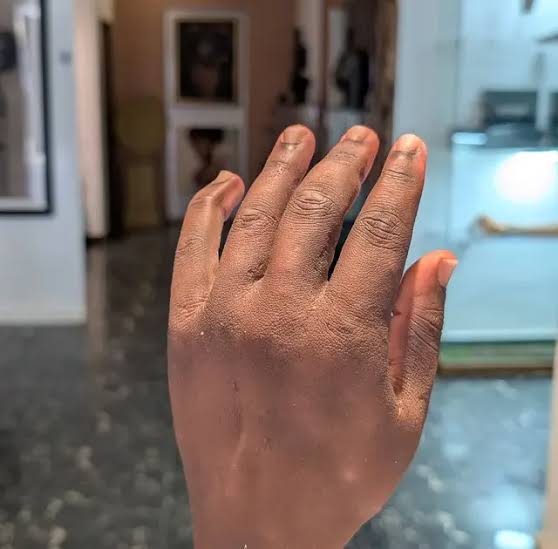
The technology was developed following the experience of Nigerian entrepreneur and prosthetics designer, Ubokobong Amanam, who lost his fingers in a fireworks accident on New Year’s Day in 2019.
TIME reported that Amanam struggled to find a prosthetic that adequately matched his dark skin tone, prompting his brother, John Amanam, a special-effects artist, to create a realistic artificial hand for him.
The brothers subsequently founded Immortal Cosmetic Art to develop lifelike prosthetic devices specifically designed to meet the needs of .
comfort and confidence to the amputee,” Ubokobong told TIME.
John Amanam, who has a background in technology and electronics, later began developing a prosthetic that would combine a realistic appearance with functional movement. The project eventually resulted in the Ubokobong Bionic Arm.
The recognition by TIME adds to the growing international attention surrounding the Nigerian-developed technology and its potential to improve access to prosthetic limbs for amputees.
A Reuters report in August 2025 said the company had already received orders from the United States, United Kingdom, Australia and Ghana ahead of the arm’s official launch.
The report also highlighted the challenges faced by many amputees in Nigeria, where prosthetic devices can be difficult to access and expensive for patients.
John Amanam, the company’s chief executive, described the bionic arm as a product “built for Africans by Africans.”
Reuters reported that the development of the prosthetic involved approximately three years of research and development.