
Coastal Road: A Decades-old Dream Realised, But Route Controversy Persists
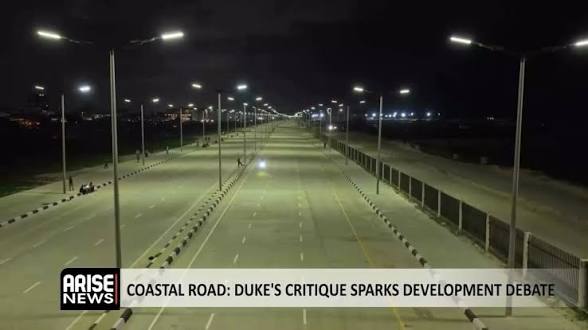
The Lagos-Calabar Coastal Highway, a project first proposed in 1959 before Nigeria’s independence, is finally taking shape under President Bola Tinubu’s administration, but questions remain over whether the road will pass through all coastal states in the Niger Delta, as critics demand no exceptions.
The 700-kilometre highway, which runs from Lagos through Ogun, Ondo, Delta, Bayelsa, Rivers and Akwa Ibom to Calabar in Cross River State, is designed to connect the country’s coastal regions and boost economic activity. The project, estimated to cost ₦15 trillion, is being implemented by Hitech Construction Company under the Federal Ministry of Works.
A Long-Delayed Dream
The idea of a coastal road linking Nigeria’s Atlantic coastline dates back to 1959, when the colonial government commissioned a feasibility study. Successive administrations since independence have promised to build the road, but the project never materialised due to funding constraints, political instability and competing infrastructure priorities. The Tinubu administration has now pushed the project forward, with the first phase—the Lagos-Calabar section—already under construction.
Route Controversy
The project has faced criticism over its alignment, particularly in Delta State, where stakeholders have raised concerns that the road may bypass certain communities. The Minister of Works, David Umahi, has defended the route, saying it was designed to minimise costs and avoid difficult terrain. However, critics argue that the road should pass through all coastal communities to ensure equitable development.
The user’s statement—”It must pass all the Niger Delta coastal states. No exceptions!”—reflects a broader demand from stakeholders in the region. The Niger Delta, which produces the bulk of Nigeria’s oil wealth, has long suffered from infrastructure deficits and environmental degradation. A coastal highway that connects all coastal states could spur economic growth, improve access to markets and reduce travel time.
Government Position
The Federal Government has said the coastal highway is a priority project under the Renewed Hope Agenda and will be completed in phases. The government has also said the road will be built to the highest standards, with provisions for climate resilience and environmental sustainability. However, the government has not explicitly committed to routing the road through every coastal community, and the final alignment remains subject to engineering and environmental assessments.
Stakeholder Reactions
The user’s post, shared on social media, has resonated with many Nigerians who see the project as a symbol of progress and a testament to the Tinubu administration’s commitment to infrastructure development. The user credits a “Yoruba son” for achieving the milestone in less than four years, a reference to President Tinubu, who is of Yoruba descent.
However, others have cautioned against politicising the project, noting that infrastructure development should transcend ethnic and regional considerations. “The coastal road belongs to all Nigerians, not to any ethnic group. What matters is that it is completed and benefits all coastal communities,” said a Lagos-based analyst who requested anonymity.
The Road Ahead
As construction progresses, the government will need to balance engineering realities with the demands of stakeholders in the Niger Delta. The project’s success will depend not only on its completion but on whether it delivers on its promise of connecting communities, boosting trade and improving livelihoods across Nigeria’s coastal region.