

Dele Oye: Policy Consistency, Liquidity, Investor Confidence Key to Sustaining Nigeria’s Stock Market Performance
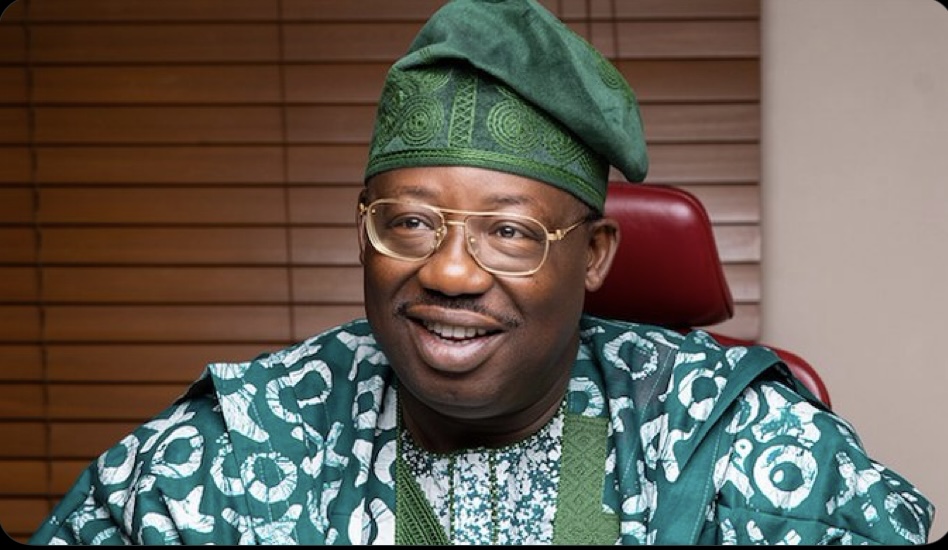
The Chairman of the Alliance for Economic Research and Ethics (AERE), Dele Oye, has identified policy consistency, deeper market liquidity and sustained investor confidence as critical factors needed to maintain Nigeria’s strong performance in the global stock market.
Oye, a former National President of the Nigerian Association of Chambers of Commerce, Industry, Mines and Agriculture (NACCIMA), stated this while assessing the impressive performance of the Nigerian Exchange (NGX).
Nigeria’s stock market has recorded significant growth in recent years, with market capitalisation reportedly rising from about N30 trillion in 2023 to N158.3 trillion in 2026.
The NGX All-Share Index also stood at 245,209 points as of August 6, 2026, compared with about 74,800 points at the end of 2023.
Oye attributed the market’s strong performance partly to economic reforms introduced by the administration of President Bola Tinubu, particularly the removal of the petrol subsidy and the unification of the foreign exchange market.
According to him, although the reforms initially created significant economic pressure, the government’s consistency in pursuing them has helped improve investor confidence and reshape perceptions about Nigeria’s economic outlook.
He also identified banking sector recapitalisation, strategic corporate listings, currency movements and oil prices as important factors contributing to the market’s current performance.
However, Oye warned that Nigeria must not become complacent over the impressive gains recorded by the stock market.
He stressed the need for continued reforms, stronger corporate governance, increased institutional participation and greater liquidity to ensure that the current market rally is sustained.
Oye particularly emphasised the importance of policy consistency, noting that frequent changes in government policies could create uncertainty and discourage both domestic and foreign investors from making long-term commitments.
Recent data showed that domestic investors accounted for nearly 88 per cent of transactions on the NGX in the first half of 2026, while total equity turnover reached about N9.6 trillion during the period.
The NGX All-Share Index also gained 47.43 per cent in the first six months of 2026, closing June at 229,419.18 points, while market capitalisation increased to N147.28 trillion.
Analysts have linked the market’s performance to strong corporate earnings, banking and insurance recapitalisation, improved domestic liquidity and sustained participation by institutional investors.
Oye said the next phase of growth would depend on the government’s ability to sustain economic reforms, deepen liquidity, improve exchange-rate stability and strengthen the confidence of investors.
He stressed that the objective should go beyond preserving the current rally, saying Nigeria needs to build strong economic and institutional foundations capable of supporting long-term growth in the capital market.
He added that maintaining transparency, stability and consistency in economic policies would be essential if Nigeria is to consolidate its position as a leading investment destination and sustain the momentum recorded in its stock market.