


Governors Back State Police Blueprint as SDP Rejects Gbajabiamila’s Panel Leadership
The clamour for the decentralization of Nigeria’s security architecture has gained traction following massive support from state chief executives alongside strong institutional pushback from opposition forces regarding the composition of the implementation panel.
Senior government officials, security experts, and international stakeholders converged at a national security town hall in Abuja to advocate for a comprehensive overhaul of the nation’s policing system. In a communiqué issued by the Nigeria Governors’ Forum (NGF) and signed by its Chairman, Kwara State Governor AbdulRahman AbdulRazaq, the 36 state governors officially threw their weight behind the ongoing reforms.
The governors emphasized the urgent need for an operational framework that is constitutionally sound, aligns strictly with the principles of true federalism, and safeguards the fundamental rights of all citizens. This consensus follows the Senate’s recent passage of the Constitution Alteration (State Police) Bill, 2026, which seeks to move policing from the Exclusive Legislative List to the Concurrent Legislative List.
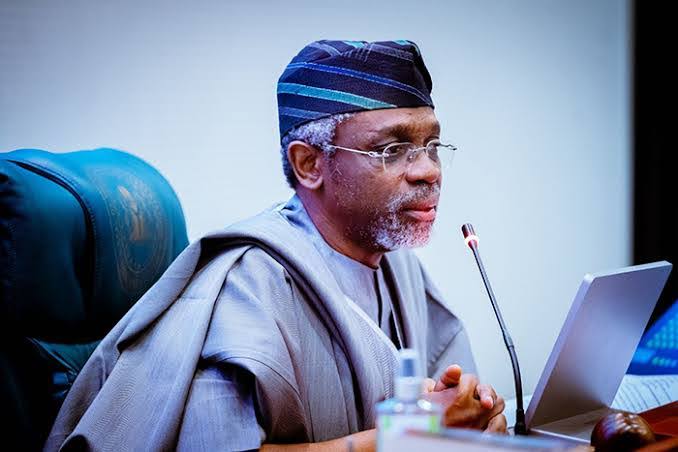
While the policy momentum grows, the Social Democratic Party (SDP) has strongly rejected the appointment of the Chief of Staff to the President, Femi Gbajabiamila, as the head of the newly inaugurated Presidential Working Group on the National Policing Bill.
Speaking at the party’s National Executive Committee (NEC) meeting in Abuja, the SDP National Chairman, Prof. Sadiq Gombe, argued that it is highly indecorous for the President to appoint Gbajabiamila to lead such a critical constitutional assignment while he is facing severe public allegations linking him to a ₦400m appointment-facilitation proxy scandal and the controversial Presidential Foreign Intervention Promotion Council.
The opposition party demanded that the Chief of Staff step aside from both the security panel and his primary office to allow for a credible, independent investigation.
Furthermore, the SDP faulted the composition of the 12-member state police review committee, criticizing it for lack of geographical sensitivity, claiming that nine members were selected from a single region of the country.