



Nwebonyi Explains Role of Federal, State Police Under Proposed Security Reform
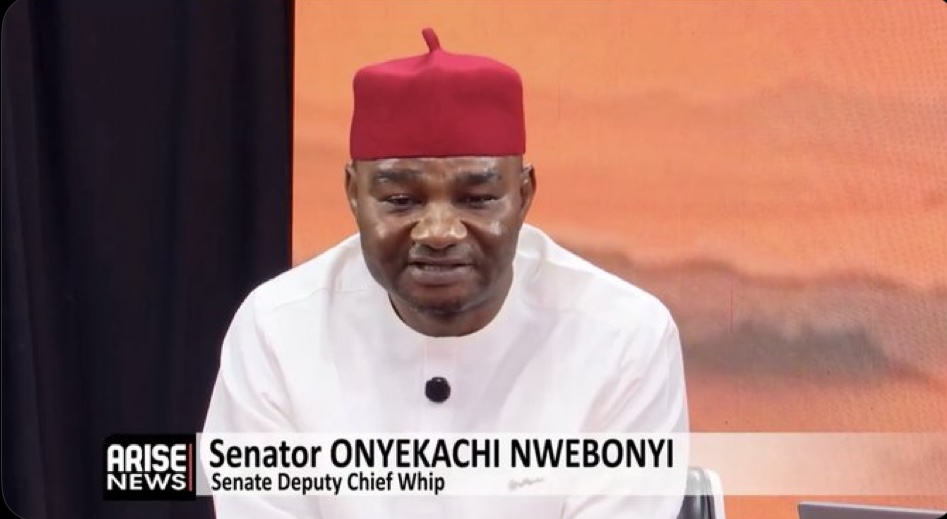
The Deputy Chief Whip of the Senate, Senator Onyekachi Nwebonyi, has clarified how the proposed state police system would operate, stating that federal police officers would handle federal crimes, while state police would be responsible for addressing local criminal activities within their respective states.
Speaking during an interview on Arise Television, Nwebonyi said the proposed policing structure is designed to strengthen security across the country by clearly defining the responsibilities of both federal and state law enforcement agencies.
According to him, the Nigeria Police Force would continue to handle offences that fall under federal jurisdiction, including terrorism, cybercrime, border-related offences, interstate criminal activities and other matters affecting national security.
He explained that state police formations, when established, would focus on crimes occurring within state boundaries, including armed robbery, kidnapping, cultism, communal clashes and violations of state laws.
"The federal police will take care of federal crimes, while state police will handle local crimes," Nwebonyi said during the television interview, arguing that the arrangement would improve security response and intelligence gathering at the grassroots level.
The lawmaker noted that the proposed reform would enable states to tackle peculiar security challenges more effectively, as officers operating within the states would possess better knowledge of local communities, languages and terrains.
The debate over state police has gained momentum following ongoing constitutional amendment efforts by the National Assembly aimed at decentralising Nigeria's policing system.
Advocates of the reform believe it will help address rising insecurity across various parts of the country and reduce the burden on the federal police.
However, concerns have been raised by critics who fear that state-controlled police forces could be abused by political leaders.
In response, supporters of the proposal insist that adequate constitutional safeguards and oversight mechanisms would be put in place to prevent misuse and ensure accountability.
The state police proposal remains one of the most significant security reforms under consideration by the National Assembly and is expected to generate further debate among stakeholders as the constitutional amendment process progresses.