


Zimbabwe export ban drives lithium and PGMs to nearly $1 billion mineral sales
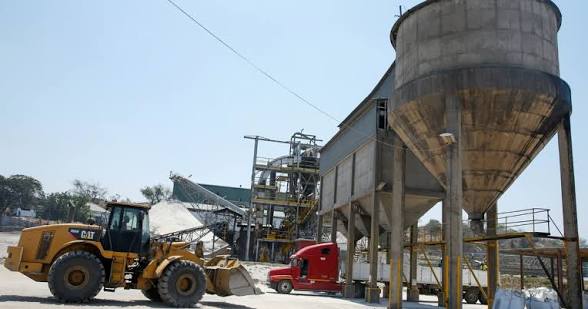
Zimbabwe’s mineral sector delivered a strong first-quarter performance, with total mineral sales coming close to the $1 billion mark as lithium and Platinum Group Metals (PGMs) surged following the government’s export ban on unbeneficiated minerals.
The policy, introduced on February 25, has accelerated local value addition and beneficiation across the mining industry, reshaping export patterns and strengthening earnings from processed and semi-processed minerals.
According to data from the Minerals Marketing Corporation of Zimbabwe (MMCZ), total mineral sales reached 1,288,761 tonnes valued at $983.85 million in the first quarter of 2026. This represents a 27% increase in volume and a 79% jump in value compared to the same period last year.
Lithium emerged as one of the strongest performers, supported by rising global demand for battery minerals. Sales reached 240,826 tonnes worth $178.64 million, reflecting a 2% increase in volume and a 106% surge in value year-on-year.
Export restrictions reshape Zimbabwe’s mineral earnings profile
MMCZ general manager Dr Nomusa Moyo said the policy shift has strengthened Zimbabwe’s position in the global battery supply chain.
“Government’s ban on lithium concentrates exports, while producing short-term disruption to global spot supplies, has solidified Zimbabwe’s strategic influence over the global battery supply chain through domestic processing,” she said.
“As a supplier of approximately 15 percent of the spodumene imported into China, Zimbabwe is a critical and vertically integrated partner for the world’s leading battery manufacturers.”
PGMs also drove overall growth, contributing $543.97 million in export earnings. Concentrate sales nearly doubled in volume, while higher global prices lifted overall revenue despite a decline in matte volumes.
Steel products, coal, and coke also posted strong gains, reflecting improved regional demand and rising production of value-added exports. However, diamond exports remained under pressure due to weaker prices and production challenges linked to competition from lab-grown stones.
MMCZ said the outlook for the second quarter remains mixed, with geopolitical tensions and energy market disruptions expected to influence global commodity prices, particularly for critical minerals used in industrial and defence supply chains.