



FG Urges Airlines to Halt Planned Shutdown Over Jet Fuel Crisis
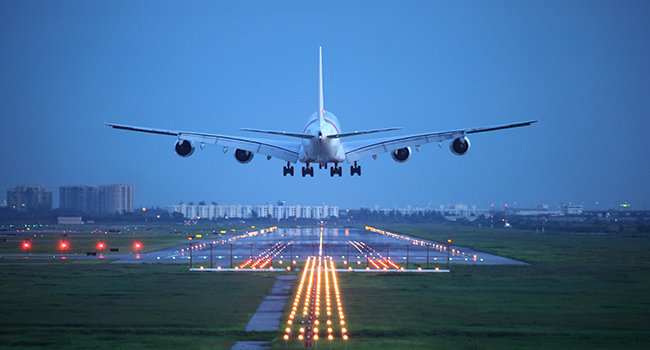
The Federal Government has appealed to domestic airlines to shelve plans to suspend operations over the sharp increase in Jet A1 fuel prices, while also urging operators to avoid raising airfares.
Minister of Aviation and Aerospace Development, Festus Keyamo, made the appeal in a letter addressed to the Airline Operators of Nigeria on Thursday, amid mounting concerns over a possible disruption of flight services.
The intervention follows warnings by airline operators that they may halt operations next week due to escalating fuel costs.
In the correspondence, the minister highlighted the steep rise in Jet A1 prices, noting that the cost had surged from N900 per litre as of February 28, 2026, to about N3,300 per litre, representing a 300 per cent increase.
He commended the airlines for maintaining operations despite the challenging environment, acknowledging the pressures facing the industry.
Keyamo stressed the importance of the aviation sector to the national economy, describing it as critical to trade, security, job creation and economic integration.
He said the administration of Bola Tinubu remains committed to reforms aimed at supporting the growth and sustainability of domestic carriers.
The minister, however, urged operators to exercise caution in adjusting ticket prices, warning that fare hikes could impose additional hardship on passengers and reduce demand for air travel.
He also called on airlines to reconsider any planned suspension of flights, noting that such a move could disrupt economic activities, weaken public confidence, and reverse gains recorded in the sector.
Keyamo assured stakeholders that the Federal Government was actively working to address the situation and had convened a high-level emergency meeting to find a lasting solution.
According to him, the meeting is scheduled for April 22, 2026, in Abuja and will bring together key industry players and regulators.
The Airline Operators of Nigeria, in an earlier letter dated April 14, described the spike in fuel prices as excessive, warning that revenues were no longer sufficient to cover operating costs.
The group cautioned that a shutdown of operations could lead to job losses, disrupt financial systems, and worsen security challenges, while also noting that passing costs to passengers through higher fares could significantly reduce demand.