
Power Outages Persist as States Take Control of Electricity Regulation
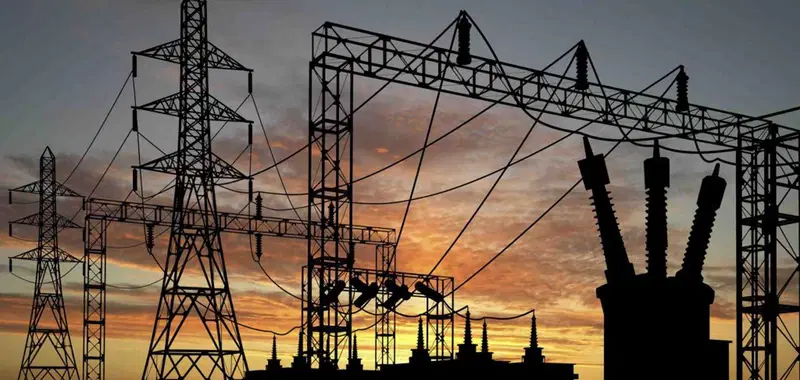
Millions of Nigerians have continued to face electricity disruptions in recent months, driven largely by inadequate gas supply to power generation companies and recurring failures of the national grid.
Africa’s most populous country has recorded at least two major grid collapses this year, occurring on January 23 and again four days later, leaving over 200 million people without power.
The persistent outages reflect longstanding structural issues within the power sector, including unreliable gas supply and fragile transmission infrastructure.
Amid these challenges, some states have begun assuming regulatory control of their electricity markets following reforms that decentralise the sector.
In Nasarawa State, regulatory oversight has been transferred to the Nasarawa State Electricity Regulatory Commission, with the transition completed on February 3, 2026. The state government has since inaugurated the commission’s board and management as part of efforts to drive the reform process.
As part of the transition arrangement, the Abuja Electricity Distribution Company is required to establish a subsidiary to manage electricity distribution within the city. The new entity will operate under a licence issued by the state regulator.
Bayelsa State has also joined the list of states taking control of their electricity markets. After fulfilling legal requirements, including the passage of a state electricity law, the Nigerian Electricity Regulatory Commission approved the transfer of regulatory authority to the Bayelsa State Electricity Regulatory Agency. The transition was finalised on February 20, 2026.
Under the new framework, the Port Harcourt Electricity Distribution Company is to create a subsidiary responsible for electricity supply and distribution within Bayelsa.
The state regulator is now empowered to issue licences, determine tariffs and encourage investment, particularly in off-grid electricity solutions.
The ongoing decentralisation of electricity regulation is seen as part of broader efforts to address Nigeria’s chronic power supply challenges and improve service delivery at the state level.