
REPRONIG Urges Tertiary Institutions to License Photocopying of Books
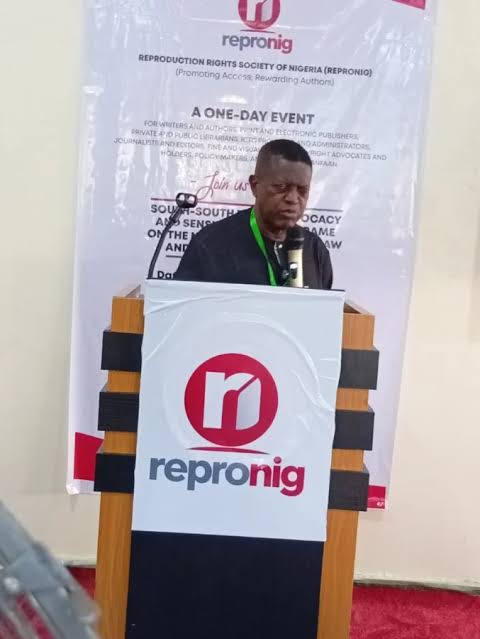
The Reproduction Rights Society of Nigeria (REPRONIG) has called on universities, polytechnics and colleges of education to enrol in its licensing scheme to protect authors’ copyrights and ensure they receive royalties when their published works are photocopied.
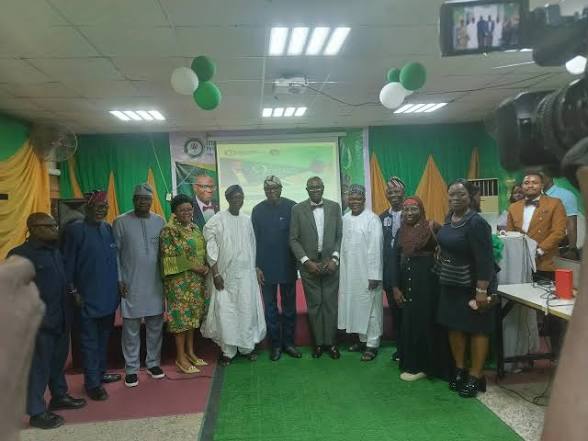
A board member of the society, Dr Wale Okediran, made the appeal on Saturday during an engagement with heads of tertiary institutions and other stakeholders in Port Harcourt, Rivers State.
Okediran said many Nigerian writers were missing out on additional earnings because they were unaware that photocopying of their books could generate royalties, adding that widespread reproduction of textbooks often denied authors the financial benefits of their work.
He explained that REPRONIG intended to establish licensing agreements with tertiary institutions based on estimated photocopying activities, rather than attempting to monitor individual photocopying centres.
Under the proposed arrangement, each institution would appoint a copyright officer to liaise with the society, provide relevant information and facilitate registration and licensing through its mobile application.
The REPRONIG board member said some institutions had already commenced the process, expressing optimism that more would participate in the coming weeks. He added that institutions would be given a grace period, potentially until the end of the year, to comply.
Although unauthorised reproduction of copyrighted materials could result in legal action, Okediran said the society would prioritise public awareness and voluntary compliance over punitive measures.
He noted that university lecturers who authored textbooks would also benefit from the scheme, alongside writers of indigenous-language literature and traditional poetry whose works were reproduced without compensation.
Citing Ghana as an example, Okediran said the country generated more than $100,000 annually from reprographic rights, expressing confidence that Nigeria could also create substantial revenue for authors through an effective licensing system.
He also encouraged aspiring authors to continue writing despite concerns about unauthorised photocopying, while acknowledging that some students resorted to reproducing textbooks because they could not afford original copies.
Another board member of REPRONIG and former chairman of the Association of Nigerian Authors, Camillus Ukah, said the society was positioned to address copyright violations involving books registered with it.
Ukah urged institutions, interest groups and individual creatives to register with REPRONIG, stressing that cooperation between the organisation and relevant stakeholders was necessary to tackle copyright infringement.