
Orlando Owoh’s Music, Kenery Sound Takes Centre-stage at Lagos Festival
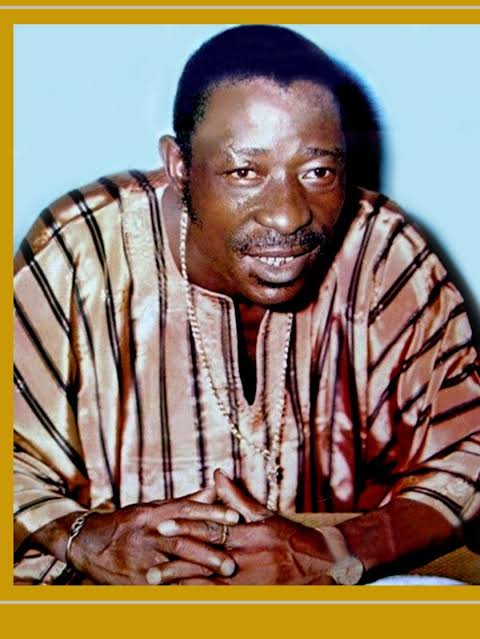
The music and cultural legacy of late Nigerian highlife icon, Orlando Owoh will be celebrated in Lagos on November 7 at the 2026 edition of the Orlando Owoh Music Festival.
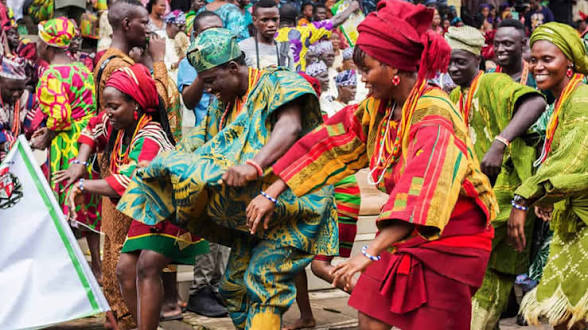
The event, scheduled for KYMA Beach, Elegushi, Lekki, will run from 3pm until 4am, bringing together performers and music enthusiasts for a night featuring Kenery music, juju, highlife, Afrobeat, live band performances, DJs and traditional cultural displays.
The festival is being organised by Lekan Jimoh, Chief Executive Officer of LJ Entertainment, in partnership with the Orlando Owoh International Foundation, while Kenery Music is powering the programme.
Owoh was widely recognised for developing and popularising his distinctive Kenery sound, blending music with humour, storytelling and social commentary.
His songs often drew heavily from Yoruba culture and captured the experiences, struggles and everyday realities of ordinary Nigerians.
Organisers said the festival would provide an avenue for admirers of the veteran musician to reconnect with his catalogue while introducing his music and cultural influence to a younger generation.
Owoh’s children, Orimipe, Kunle and Daisi, have also remained connected to efforts to preserve and promote the family’s musical heritage.
The planned celebration has drawn comparisons with Felabration, the annual festival established to honour the life and musical legacy of Afrobeat pioneer Fela Anikulapo-Kuti.
However, advocates of Owoh’s legacy face the challenge of establishing a platform that is distinctively centred on his contribution to Nigerian highlife and the evolution of Kenery music.
Beyond the performances, the festival is expected to renew conversations around the preservation of Owoh’s musical archive, including the proper documentation of his career, protection of existing recordings and the availability of reliable accounts of his life and artistic contributions.
Organisers and supporters of his legacy say preserving these materials will be crucial to ensuring that Owoh’s influence on Nigerian music remains accessible to future generations.