



Abuja Festival to Bring Nigeria’s Diverse Cultures to Life in Five-day Showpiece
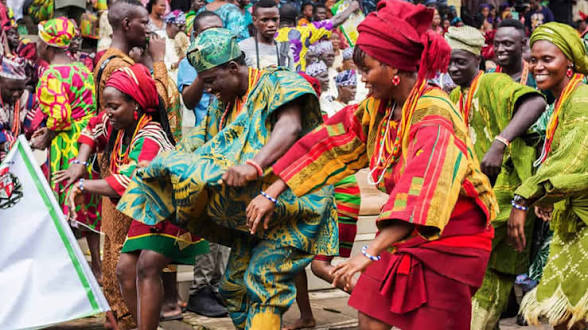
A five-day cultural festival aimed at celebrating Nigeria’s diverse heritage through history, architecture, art, food, spirituality and traditional practices is set to hold in Abuja from December 1 to 5.
The festival, titled Carnival of Stories and themed “This Is Nigeria: Chapter By Chapter,” is being organised by JT Agency and will feature a specially constructed clay city designed to give visitors an immersive encounter with Nigeria’s cultural heritage.
According to the organisers, the clay city draws inspiration from the traditional use of earth as a building material across various parts of the country. The project will also examine how indigenous construction techniques and cultural knowledge can remain relevant in modern society, particularly as environmental concerns around the construction industry continue to grow.
The festival experience will begin at the Zaure, a traditional space associated with welcoming guests, before taking visitors through a series of culturally themed environments.
These will include the Grove of Ancestors, Durbar Court and Court of Masks, while the journey will end at the Impluvium, a space designed to encourage quiet reflection.
The organisers said the festival was conceived partly in response to concerns over the growing gap between younger Nigerians and traditional cultural practices, as well as the limited exposure many people have to cultures outside their immediate communities.
The Chief Executive Officer of JT Agency, Executive Producer and Lead Curator of the festival, Bayo Omoboriowo, said the project was aimed at finding innovative ways to present Nigerian stories beyond conventional storytelling formats.
He explained that the clay city would transform cultural narratives into physical and interactive experiences, allowing visitors to engage with Nigeria’s history and traditions in a more direct way.
Omoboriowo said the festival would feature a range of experiences centred on food, spirituality, history, architecture and the arts, with cultural custodians and practitioners contributing to the presentations.
The Co-Lead Curator of the festival and Founder of the International Institute for Creative Development, Nduwhite Ndubuisi Ahanonu, said the initiative was built around the idea of shared cultural memory.
According to him, the festival would bring together stories, traditions and experiences passed down through generations, creating an environment where Nigerians could reconnect with aspects of their heritage.
The Creative Director and Project Lead of the festival, Adeorike Aderibigbe, said the event would also highlight Nigeria’s creative strength through its craftsmanship, visual arts and varied cultural expressions.
She said bringing the different forms of cultural expression together in one setting would demonstrate the depth of Nigeria’s diversity and reinforce culture as an important component of the country’s national identity.


