

Women’s Groups Demand Female Deputy Governorship Slots in All States Ahead of 2027 Polls
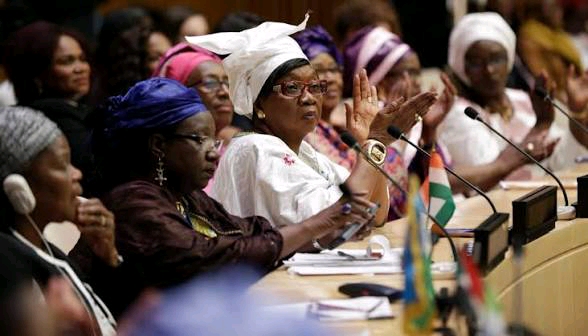
A coalition of women’s rights organisations has called on political parties to nominate female deputy governorship candidates in all 36 states for the 2027 general elections, warning that the continued marginalisation of women in political leadership poses a serious threat to democratic inclusion and governance.
The demand was made on Wednesday during a press conference and roundtable dialogue organised by the Voice of Women Empowerment Foundation and its partner organisations to review women’s participation in ongoing party primaries.
Addressing journalists, the Co-founder and Executive Director of the Voice of Women Empowerment Foundation, Mrs Toun Okewale Sonaiya, alleged that many female aspirants across political parties have faced systematic barriers, including pressure to withdraw from contests, exclusion from screening exercises and last-minute substitutions despite meeting constitutional requirements.
She described the situation as a growing challenge to democratic principles and warned that the trend could further diminish women’s political representation if not addressed before the 2027 elections.
According to her, women who purchased nomination forms, mobilised support and fulfilled eligibility requirements were often sidelined through consensus arrangements and undisclosed political agreements.
Sonaiya noted that women account for nearly half of Nigeria’s estimated 240 million population but remain significantly underrepresented in elective offices nationwide.
She said women currently occupy less than four per cent of seats in the National Assembly and 4.7 per cent of positions in state assemblies, while no woman currently serves as a state governor. She added that 14 states have no female lawmakers in their Houses of Assembly.
The coalition urged political parties to adopt a policy requiring every male governorship candidate to run alongside a female deputy governorship candidate, arguing that such a measure would expand women’s participation in executive leadership and create opportunities for future female governors.
The group also called on governors and national chairmen of political parties to publicly release data on women’s participation in the ongoing primaries, including the number of women who purchased nomination forms, underwent screening, withdrew from contests and eventually secured party tickets.
In addition, the coalition appealed to the Independent National Electoral Commission to strengthen its oversight of political parties and ensure compliance with constitutional provisions guaranteeing fairness and non-discrimination.
The organisations further urged President Bola Tinubu to support the passage of the Special Seats Bill currently before the National Assembly, describing it as a necessary intervention to improve women’s representation in governance.
Sonaiya warned that the exclusion of women from political leadership extends beyond gender concerns and has broader implications for national development, democratic growth and effective governance.
She pledged that the coalition would closely monitor the 2027 electoral process, document cases of exclusion and publish findings aimed at holding political actors accountable.
Presenting data on women’s participation in the primaries, Executive Director of , Mrs Bukola Shonibare, said female representation among aspirants remained low across most political parties.
According to her, only three parties currently have more than 20 per cent female participation among aspirants, with the Peoples Democratic Party recording 28.2 per cent, followed by the Young Progressives Party with 22.7 per cent and the Youth Party with 20 per cent.
She disclosed that the All Progressives Congress, despite having the highest number of aspirants, recorded only 209 female aspirants out of a total of 2,008.
Shonibare also expressed concern over women’s prospects in the Senate, noting that only three female senators have so far secured party tickets ahead of the 2027 elections.
She warned that if those candidates emerge victorious at the polls, women’s representation in the Senate would stand at just 2.7 per cent, underscoring the persistent gender gap in Nigeria’s political landscape.