

From SDP to ADC: Atiku Abubakar’s Relentless Quest for Aso Rock Enters Its Seventh Chapter
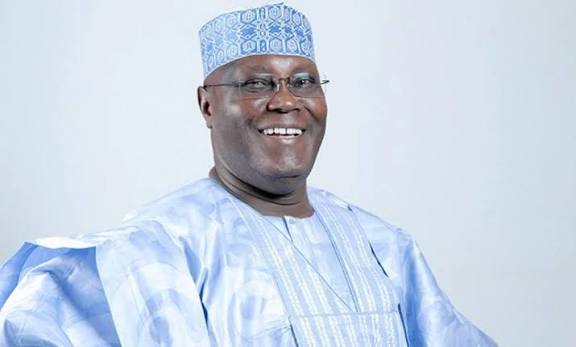
Former Vice President Atiku Abubakar has added yet another chapter to one of the most extraordinary and unrelenting quests in Nigerian political history, emerging as the presidential candidate of the African Democratic Congress for the 2027 general election.
The result of the ADC’s nationwide direct primary was announced at the Congress Hall of Transcorp Hilton in Abuja in the early hours of Thursday, with Atiku polling 1,846,370 votes to defeat former Minister of Transportation Rotimi Amaechi, who scored 504,117 votes, and former banker Mohammed Hayatu-Deen, who came third with 177,120 votes. ADC National Chairman Senator David Mark formally presented the party flag to Atiku following the declaration, cementing what is now his seventh presidential contest across six different political parties in three decades of pursuing Nigeria’s highest office.
The journey began in 1993, when Atiku contested the Social Democratic Party’s presidential ticket before the election was annulled, and has wound through the Action Congress in 2007, the Peoples Democratic Party in 2011, the All Progressives Congress in 2015, and back to the PDP for two successive presidential campaigns in 2019 and 2023 — both of which he lost. His latest defection, this time to the ADC alongside former governor Rotimi Amaechi in July 2025, was part of a broader opposition realignment aimed at confronting President Bola Tinubu and the ruling APC in 2027. Atiku and Amaechi joined the ADC as part of a coalition that also initially included Peter Obi, who later departed to the Nigeria Democratic Congress along with former Kano governor Musa Kwankwaso, leaving Atiku to consolidate his grip on the ADC platform alone.
In his acceptance speech, Atiku cast the ADC’s primary as proof that democracy still breathes within Nigeria’s opposition, declaring that while democracy was being strangled and suppressed by the ruling party, it remained alive and well within the ADC. He pledged to campaign vigorously across the country, build a stronger party, and restore hope and prosperity to Nigerians if elected. He also called on his co-contestants and all party stakeholders to close ranks, stressing that unity would be essential to mounting a credible challenge against the incumbent administration. The victory, however, was not without immediate controversy, as Amaechi rejected the outcome of the primary, alleging manipulation and irregularities in the process, while Hayatu-Deen was notably absent during the final collation and result announcement.
What makes Atiku’s electoral biography unique in Nigerian political history is not merely the frequency of his attempts but the bewildering variety of vehicles he has deployed in pursuit of the same destination. He has run under the platforms of parties that no longer exist in the same form, crossed ideological divides with remarkable agility, and survived political battles that would have permanently retired most careers. Critics and observers have long argued that his movements reflect ambition untethered to ideology, while his supporters insist they demonstrate uncommon resilience and an unshakeable belief in his own capacity to lead Africa’s most populous nation.
With the 2027 election looming as Atiku’s seventh and, at 80 years old, most likely final attempt at the presidency, the question that now hangs over Nigerian political life is whether the ADC can provide the platform that the PDP and APC never could. The joke on the lips of many is that if 2027 ends in defeat, only time will tell which party he surfaces with in 2031 and 2035 because if there is one thing Atiku Abubakar has demonstrated across more than three decades, it is that he does not give up easily, and Nigeria’s political landscape has learned, sometimes reluctantly, to expect him back.