


Wike Labels Makinde’s 2027 Presidential Ambition ‘Dead on Arrival’
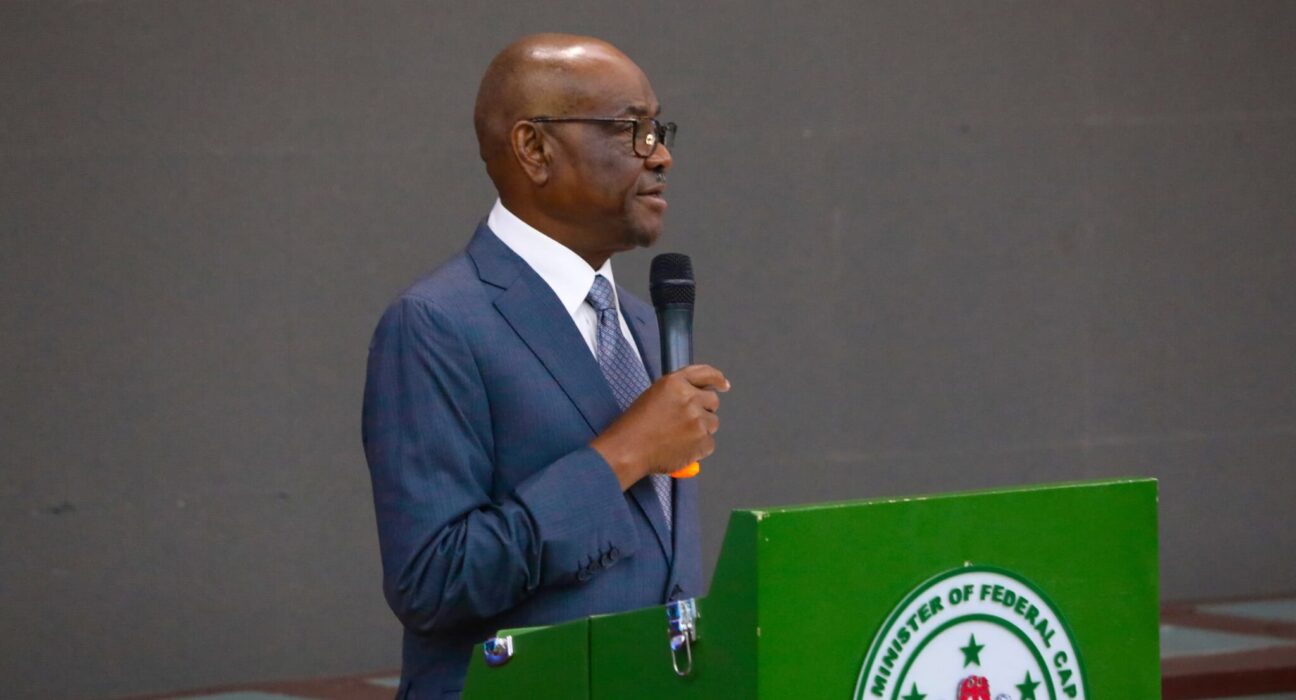
The Minister of the Federal Capital Territory, Nyesom Wike, has dismissed the 2027 presidential ambition of Oyo State Governor Seyi Makinde, describing it as “dead on arrival.” Wike’s comments signal a definitive fracture in the once-formidable relationship between the two key leaders of the Peoples Democratic Party (PDP) G5 group.
Speaking during a recent media engagement, Wike asserted that any attempt by Makinde to challenge the current political trajectory would face insurmountable obstacles. The Minister, who has openly aligned himself with the administration of President Bola Tinubu, suggested that the political dynamics in Nigeria have shifted, leaving little room for Makinde’s purported aspirations within the national landscape. Wike emphasized that loyalty to the current federal direction is paramount and hinted that those acting against it are set for political failure.
The fallout between the two former allies appears rooted in their differing stances toward the 2027 general elections. While Makinde recently voiced his refusal to support Tinubu’s re-election—claiming he never agreed to “hold the PDP” for the President—Wike has remained a staunch defender of the President’s agenda. Makinde had previously expressed shock during a media chat in Ibadan, alleging that Wike had unilaterally promised the President that the PDP structure would be secured for him in the next election cycle.
Political observers view Wike’s latest remarks as an escalation of the internal crisis rocking the PDP. By labeling Makinde’s potential bid as “dead on arrival,” Wike is seen as attempting to de-legitimize the Governor’s influence as a potential leader of the opposition.
The exchange underscores the deep-seated divisions within the party as various factions struggle for control ahead of the 2027 primaries.
Despite the heavy criticism, Governor Makinde has maintained that he remains committed to a strong multiparty democracy and an effective opposition. He has consistently argued that the focus should remain on governance and institutional reforms rather than early campaign rhetoric, though Wike’s targeted comments have now forced the 2027 conversation into the forefront of state and national discourse.