

South Africa First in Continent to Export Goods to China Under Zero-tariff
A new phase in China–Africa trade has begun, with the first shipment of South African apples entering China under a sweeping zero-tariff policy extended to African partners.
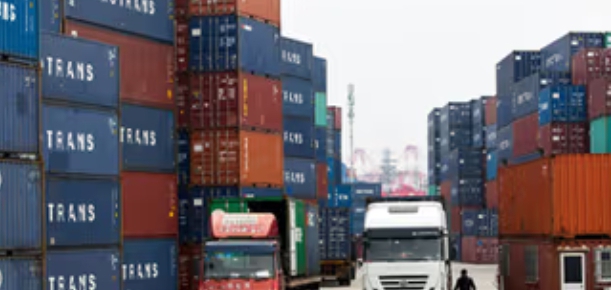
With the policy taking effect on May 1, a 24-tonne shipment of apples from South Africa cleared customs in Shenzhen as the first batch under the new terms. The consignment, now headed for retail and wholesale markets, saw tariffs fall from 10% to zero, immediately improving its competitiveness, according to Xinhua News.
The move marks a major expansion of China’s trade policy toward Africa. After initially granting zero-tariff access to least-developed countries in 2024, Beijing has now extended the benefit to all 53 African countries with diplomatic ties, effectively opening its market to a broader range of goods beyond raw materials.
This is significant because Africa’s exports to China have historically been dominated by a few resource-rich countries. Angola, the Democratic Republic of the Congo, and South Africa account for a large share of shipments—primarily crude oil, copper, cobalt, and other minerals. Agricultural exports, by contrast, have remained relatively underdeveloped despite the continent’s capacity.
China’s zero-tariff expansion is designed to change that imbalance. By lowering barriers on agricultural and processed goods, Beijing is encouraging African economies to diversify exports into higher-value segments such as fruits, cocoa products, and manufactured goods.
For countries like South Africa, Kenya, and Ghana, this creates a pathway to scale non-resource exports into one of the world’s largest consumer markets.
For China, the strategy is equally calculated. Beyond strengthening diplomatic ties, the policy helps secure long-term access to food imports, diversify supply chains, and stabilise input costs at a time of global trade uncertainty. It also reinforces China’s economic influence across Africa, particularly as it competes with Western nations for strategic partnerships on the continent.
Trade between China and Africa has already crossed $280 billion annually in recent years, making China the continent’s largest trading partner.
By expanding zero-tariff access, Beijing is not only deepening that relationship but also reshaping it—shifting Africa’s role from a supplier of raw commodities toward a more diversified export base.
If fully utilised, the policy could mark a turning point for African trade, enabling broader participation across countries that have historically been left out of global export value chains.