
Shettima Says Peter Obi Lacks Concrete Solutions for Nigeria Ahead of 2027 Election
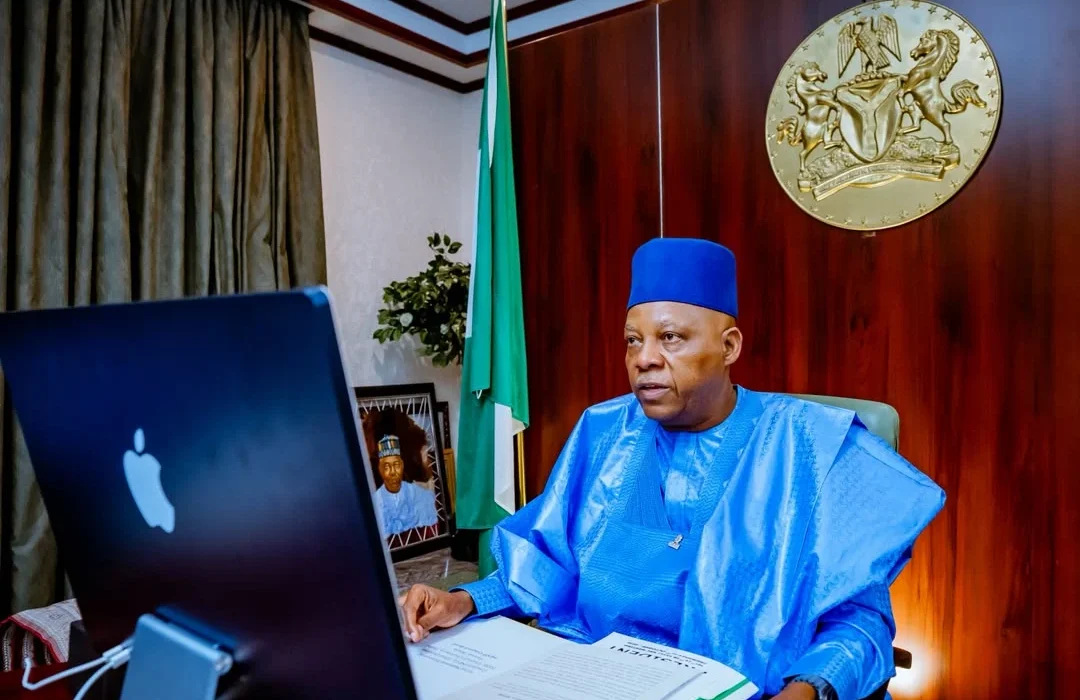
Vice-President Kashim Shettima has criticised the presidential candidate of the Nigeria Democratic Congress (NDC), Peter Obi, claiming that he has little to offer Nigerians beyond citing statistics.
Shettima made the remarks on Monday at an event in Abuja, where he urged members of Nigeria’s economic community to support the Federal Government’s economic policies and defended the decision to remove the petrol subsidy.
The Vice-President acknowledged Obi’s position against restoring the subsidy but argued that his economic arguments did not provide sufficient solutions to the country’s challenges.
“I respect Peter Obi for having the courage to say he’s not going to restore the petrol subsidy, but beyond spouting some statistics, Mr Peter Obi has absolutely nothing to offer,” Shettima said.
He maintained that Obi relied heavily on figures when discussing the economy, insisting that Nigeria needed practical policy proposals capable of addressing its economic difficulties.
Shettima also compared petrol prices in Nigeria with those in neighbouring countries, including Niger Republic, Benin Republic and Cameroon, arguing that the figures highlighted the implications of Nigeria’s previous fuel-pricing arrangements.
He said petrol was selling for approximately ₦1,148.36 per litre in Niger Republic, ₦1,729.29 in Benin Republic and ₦1,945.50 in Cameroon, compared with about ₦1,390 in Nigeria at the time of his remarks.
The Vice-President further recalled that Nigeria had previously been reported to consume approximately 67 million litres of petrol daily, using the figure to question the sustainability of the former subsidy system.
Shettima’s comments come amid continuing political disagreements over the removal of the petrol subsidy and its impact on the cost of living. The policy was introduced under President Bola Tinubu in May 2023 and has contributed to significant changes in fuel prices and transportation costs.
While the Federal Government has defended the decision as necessary to ease pressure on public finances, opposition figures, including Obi, have criticised aspects of the administration’s economic management and called for policies that better address the hardship faced by Nigerians.
Shettima urged economic stakeholders to support the government’s approach, arguing that the country needed collective commitment to overcome its economic challenges.