
IMF Raises Nigeria’s 2026 Growth Forecast to 4.2%, Warns of Rising Poverty
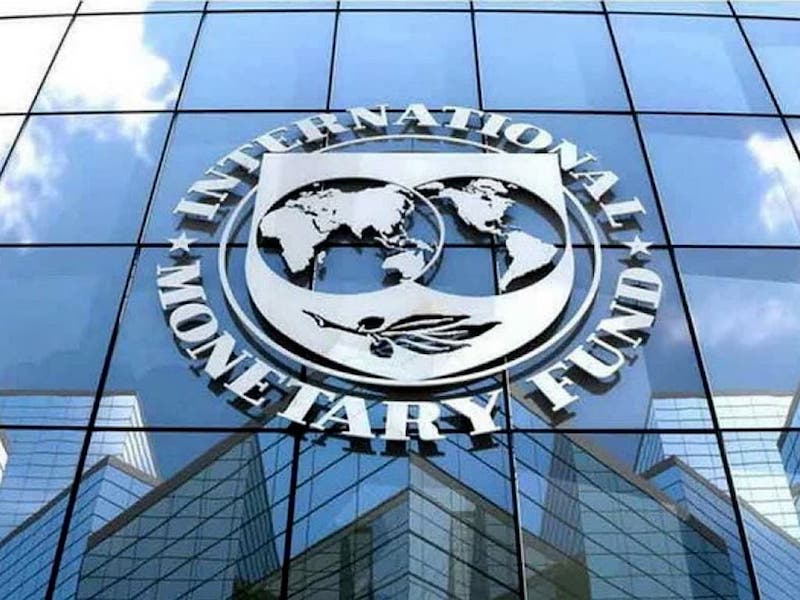
The International Monetary Fund (IMF) has raised Nigeria’s economic growth forecast for 2026 to 4.2 per cent, while warning that rising prices of essential goods could worsen poverty and food insecurity across the country.
The revised projection was contained in the IMF’s 2026 World Economic Outlook, titled *Resilience Under Strain, Urgent Choices*, presented during the IMF and World Bank meetings in Bangkok, Thailand.
The institution attributed Nigeria’s improved outlook to greater macroeconomic stability and favourable terms of trade. However, it cautioned that the rising cost of essential goods could push more Nigerians into poverty and make access to food increasingly difficult.
Nigeria has implemented several economic reforms in recent years, including changes to the foreign exchange market and the removal of petrol subsidies. The measures have been aimed at improving public finances, strengthening economic stability and addressing structural challenges.
Although international financial institutions have recognised improvements in Nigeria’s economic outlook, many households continue to face significant pressure from higher energy costs, rising food prices and the broader cost-of-living crisis.
The IMF noted that while the reforms had contributed to improved macroeconomic conditions, the benefits had not eliminated the economic difficulties experienced by a large section of the population.
The fund also projected that Nigeria’s economy would grow by 4.3 per cent in 2027, indicating an improvement in the country’s medium-term growth outlook.
The IMF projected economic growth across sub-Saharan Africa at 4.5 per cent in 2026, although it warned that the regional figure masks significant differences among countries.
According to the institution, economic performance across the region will depend on factors including government policy choices, the implementation of reforms, exposure to commodity price fluctuations, climate-related shocks and access to external financing.
The report noted that countries that import oil and have limited natural resources are more vulnerable to rising energy and food prices.
Meanwhile, some of the region’s larger economies are benefiting from earlier economic stabilisation measures and reforms, although they continue to face challenges, including reduced development assistance and limited participation in the global expansion driven by artificial intelligence and technology investment.
The IMF said South Africa’s growth outlook was expected to remain stable in the near term, with gradual improvement over the medium term supported by stronger policy frameworks and ongoing structural reforms.
For the rest of the region, growth is projected to slow from 5.6 per cent in 2025 to 5.5 per cent in 2026 and 5.3 per cent in 2027.
The IMF’s latest outlook highlights the challenge facing Nigeria and other African economies: sustaining economic growth while ensuring that rising prices and economic adjustments do not deepen hardship for vulnerable households.