

Nigeria’s Economy Grows 4.43% in Second Quarter of 2026
Nigeria’s real GDP grew by 4.43 per cent year-on-year in the second quarter of 2026, according to the National Bureau of Statistics, a modest step up from the 4.23 per cent recorded in the same quarter of 2025.
The 0.20 percentage-point improvement suggests activity was a little stronger than a year earlier, but the picture underneath is uneven. Agriculture and services carried the expansion. Industry, which had been a standout in Q2 2025, slowed sharply.
Agriculture grew by 4.39 per cent in real terms, up from 2.82 per cent a year earlier and from 3.15 per cent in the first quarter of 2026. The sector accounted for just over a quarter of real GDP. That rebound matters for food supply and rural incomes, though quarterly farm numbers can also swing with the weather and the harvest calendar.
Services remained the fastest of the three broad sectors, expanding by 4.60 per cent compared with 3.94 per cent in Q2 2025. Industry grew by only 3.96 per cent, well below the 7.46 per cent posted in the corresponding quarter of 2025. That slowdown is the main caution in an otherwise firmer headline.
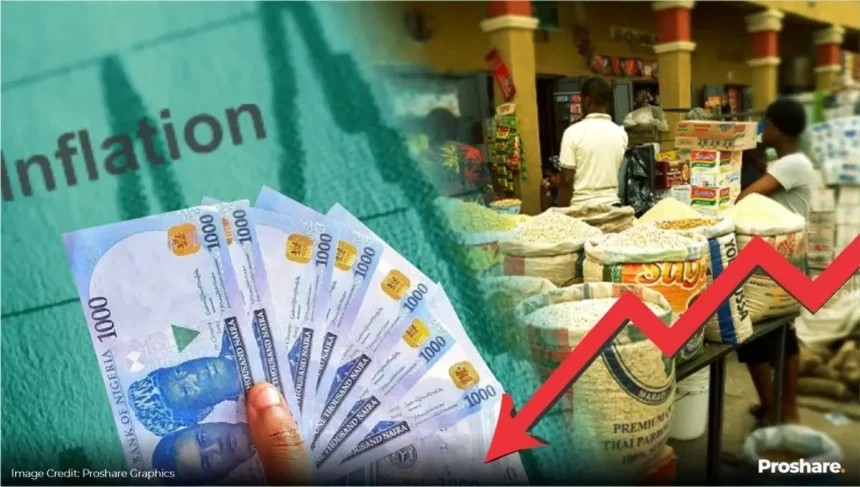
In nominal terms, aggregate GDP stood at N119.29 trillion, against N100.73 trillion in Q2 2025, an 18.43 per cent rise. The gap between nominal and real growth shows how much of the naira total is still driven by prices rather than extra output.
The non-oil economy continued to dominate, making up more than 95 per cent of real GDP and growing faster than a year earlier. Oil output improved, but it remains a small share of measured activity even when production rises.
A 4.43 per cent real rate is firmer than many recent mid-year prints, yet it does not by itself tell households whether wages, food prices or transport costs have eased. Growth can pick up while living standards stay tight if inflation, insecurity or weak industry keep squeezing real incomes. The next test is whether farm and services strength holds and whether industry steadies in the second half of the year.