


South Africa Proposes 36 Million Barrels Strategic Reserve to Strengthen Energy Security
South Africa is proposing a significant expansion of its strategic petroleum reserves to about 36 million barrels as part of efforts to strengthen energy security and shield its economy from future global fuel supply disruptions.
The proposal, contained in a draft Strategic Petroleum Stocks Policy released by the country’s Department of Mineral Resources and Energy for public consultation, represents South Africa’s first major increase in emergency oil stockpiles since the apartheid era.
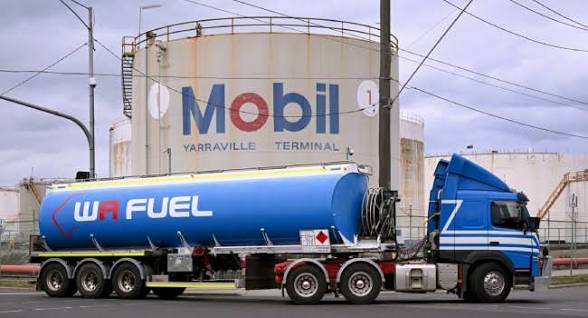
Under the proposed policy, the government plans to maintain strategic petroleum reserves equivalent to 60 days of national fuel demand, with approximately two-thirds stored as crude oil and the remaining balance held as refined petroleum products.
The initiative comes amid growing efforts by African countries to improve energy security following concerns over disruptions to global oil supplies caused by recent geopolitical tensions, particularly the conflict involving Iran.
The supply uncertainties have highlighted the vulnerability of countries that depend heavily on imported crude oil and refined petroleum products, prompting several governments across the continent to expand storage capacity, diversify supply sources and build emergency fuel reserves.
According to the Department of Mineral Resources and Energy, the South African government is collaborating with the National Treasury to develop financing arrangements that will support the acquisition, maintenance and long-term sustainability of the country’s strategic petroleum reserves.
The department said the National Treasury and the state-owned South African National Petroleum Company will establish financing mechanisms and guarantees to fund the strategic stockpiling programme.
The draft policy noted that South Africa consumes an average of 27 billion litres of petroleum products annually, with the transport sector relying on liquid fuels for about 90 per cent of its energy requirements.
The government warned that any major disruption in fuel supplies could have severe economic consequences and trigger widespread social disruption, underscoring the importance of maintaining adequate emergency petroleum reserves.