



Senate Defends State Police Bill, Says 84 Senators Voted in Favour
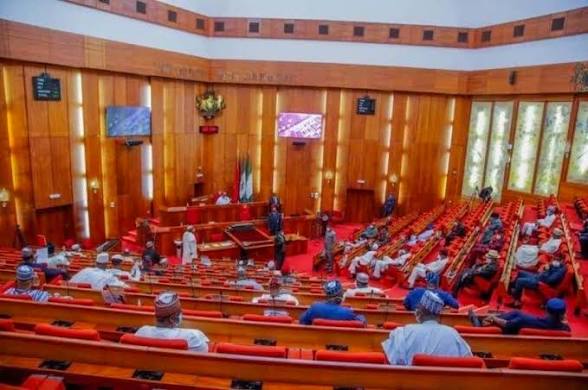
The Senate has defended the passage of the Constitution of the Federal Republic of Nigeria (Alteration) (State Police) Bill, 2026, saying 84 of the 109 senators voted in support of the proposed constitutional amendment during its clause-by-clause consideration.
In a statement issued on Sunday by his media office, Senate Leader Opeyemi Bamidele said the level of support demonstrated broad bipartisan backing for the bill and dismissed claims that the proposal was driven by partisan interests.
According to Bamidele, the state police initiative followed years of consultations, public hearings and engagements with key stakeholders, including the Executive, the Nigeria Governors’ Forum, the Conference of Speakers of State Legislatures and the leadership of the Nigeria Police.
He said public hearings held across the six geopolitical zones in July 2025 recorded widespread support for the establishment of state police.
Bamidele noted that lawmakers from both the ruling All Progressives Congress and opposition parties participated actively in the debates and voting process, adding that the bill was approved in the national interest.
He said the proposed amendment seeks to address growing security challenges, including terrorism, banditry, kidnapping, farmer-herder clashes and other violent crimes, which have placed increasing pressure on the country’s existing policing structure.
The Senate Leader explained that the bill clearly defines the responsibilities of the federal and state police to minimise jurisdictional conflicts.
Under the proposal, he said, the federal police would continue to handle the protection of federal institutions, the Federal Capital Territory, counter-terrorism, organised crime, cybercrime, border security, arms trafficking, interstate crimes and other matters affecting national security.
State police, according to him, would be responsible for enforcing state laws, maintaining public order, preventing crime within their jurisdictions and protecting lives and property.
Bamidele also said the bill contains safeguards designed to prevent governors from abusing state police.
He explained that although governors would nominate commissioners of police, their appointments would require recommendations from the National Police Council and approval by a two-thirds majority of the relevant State House of Assembly.
He added that the National Police Council would oversee policy, funding and appointments, while an independent State Police Service Commission would regulate state police operations without the control of governors.
According to him, the federal police would only intervene in state policing under specific circumstances, including a breakdown of public order, inability of a state police service to function effectively, serious human rights violations, partisan or electoral intimidation or threats to national security.