


US Soybean Industry Seeks Long-Term Collaboration with Nigeria on Protein Production
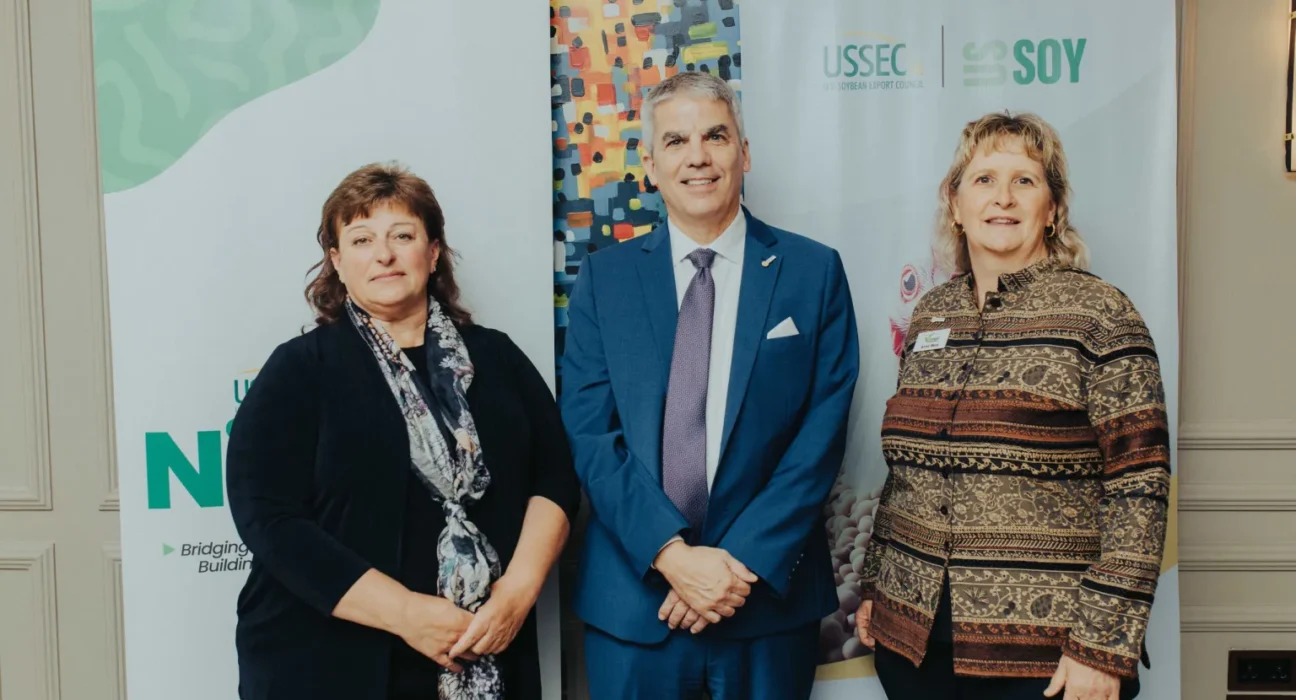
Leaders of the United States soybean industry have called for stronger collaboration with Nigeria to improve food security, increase animal-protein production and strengthen the country’s agricultural value chain through technology, skills development and sustainable farming practices.
Speaking at the USSEC & US Soy Nigeria: Now Conference 2026 held in late June, senior officials of the US Soybean Export Council (USSEC) said Nigeria’s growing population and rising demand for affordable protein make it a key market for long-term partnership.
Brent Babb, Executive Director of the Soy Excellence Centre (SEC) and Sub-Saharan Africa for USSEC, said the organisation is focused on complementing, rather than competing with, Nigeria’s local soybean industry. According to him, increasing demand for soy products means local production and imports can grow side by side.
He noted that US soybeans offer advantages beyond their protein content, including high digestibility, improved energy value and consistent quality, which can help poultry, livestock and aquaculture producers reduce feed costs while maintaining productivity.
Babb added that USSEC also provides technical support on feed formulation, biosecurity and production practices through the Soy Excellence Centre, helping Nigerian farmers and processors improve efficiency across the value chain.
Cindy Pulskamp, a soybean farmer from North Dakota and Director of the US Soybean Export Council and United Soybean Board, described the relationship with Nigeria as a partnership centred on knowledge exchange. She highlighted the importance of sustainable farming practices, including precision agriculture, soil conservation and modern technology, saying these methods have helped reduce environmental impact while improving productivity.
She also encouraged Nigerian producers to adopt better storage practices and technologies to minimise post-harvest losses, noting that improved handling can significantly preserve crop quality.
Anne Meis, Chair of the Soy Excellence Centre Global Advisory Panel, said the organisation’s training programmes are already delivering measurable results in Nigeria. She disclosed that more than 1,200 Nigerians completed SEC training courses this year, while over 5,000 participants have graduated since the programme was introduced.
According to Meis, several participating farms and feed mills have reported lower production costs, improved biosecurity, increased output and reduced livestock mortality after applying the knowledge gained through the training.
While acknowledging challenges such as limited financing, supply chain constraints and inflation, Babb expressed confidence in Nigeria’s agricultural potential. He said growing investment, increasing demand and continued capacity building position the country to expand its protein production and improve food security in the years ahead.
USSEC, which has operated in Nigeria for more than seven years, said it remains committed to supporting the country’s agricultural sector through long-term collaboration, technical expertise and sustainable solutions.
(Photo Credit: PremiumTimes Nigeria)