Vance, Ghalibaf Parley in Switzerland as US-Iran Peace Talks Begin
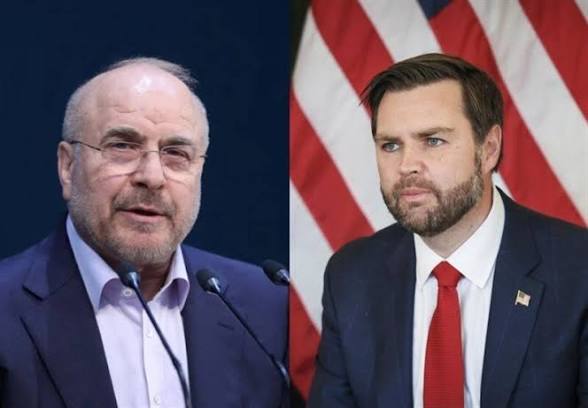
High-stakes talks between the United States and Iran are underway today at the Bürgenstock Resort, a luxury mountainside complex overlooking Lake Lucerne in Switzerland, as both sides attempt to convert a fragile memorandum of understanding into a lasting peace agreement to end months of conflict.
The American delegation, led by Vice President JD Vance alongside special envoy Steve Witkoff and President Donald Trump’s son-in-law Jared Kushner, arrived at the Swiss venue on Sunday morning for what marks the first face-to-face encounter between the two sides in ten weeks. Iran’s delegation is led by Mohammad Bagher Ghalibaf, Speaker of the Iranian Parliament. Qatar and Pakistan are serving as mediators, with Qatari Prime Minister Sheikh Mohammed bin Abdulrahman Al Thani and Pakistani Prime Minister Shehbaz Sharif both present at the resort. Qatar’s Foreign Ministry announced the formal commencement of the talks, noting that specialised technical teams and follow-up groups have been formed to translate the existing MOU into what it described as a comprehensive and sustainable agreement, reflecting the commitment of all parties to advance negotiations in good faith.
Vance, speaking alongside the Pakistani and Qatari prime ministers at the start of proceedings, expressed measured optimism. He said great progress had already been made in the opening hours of the talks and indicated he expected further progress in the hours ahead.
He also claimed that major points of contention including the reopening of the Strait of Hormuz and the ending of Iran’s nuclear programme had already been resolved, framing the discussions now as an opportunity to build on those gains.
The talks, however, are unfolding under considerable strain. Iran said on Saturday that it was closing the Strait of Hormuz in response to deadly Israeli strikes in Lebanon, though the United States military denied that Iran has effective control over the critical waterway. Iranian Foreign Ministry spokesman Esmaeil Baqaei confirmed that the termination of the war on all fronts, including Lebanon, would be a central Iranian demand in the Switzerland discussions. Israel’s defence minister, meanwhile, said on Sunday that the Israel Defence Forces had no plans to withdraw from areas currently occupied in southern Lebanon, a position likely to further complicate the talks given Tehran’s insistence that Lebanon be included in any ceasefire framework.
Adding to the tension, Trump contradicted the conciliatory tone of his delegation by threatening the Iranian side in a Fox News interview broadcast on the same day as the talks. The president vowed to resume military strikes and seize control of the Strait of Hormuz should negotiations collapse without a deal.
The current diplomatic framework, signed by Pakistan as mediator earlier this week in Islamabad, gives both sides a 60-day window, extendable by mutual consent, to convert the MOU into a final and binding agreement.
The road to Sunday’s talks has been long and turbulent. Trump announced major combat operations against Iran in February, with massive joint US-Israeli strikes targeting military, government, and infrastructure sites. A two-week ceasefire announced in April paved the way for talks in Islamabad, but those negotiations concluded after 21 hours without a breakthrough, with Vance blaming Iran’s refusal to abandon its nuclear programme and Ghalibaf accusing the US of failing to establish trust. Sunday’s session in Switzerland represents the most significant diplomatic moment since that breakdown, and the world is watching closely to see whether the two sides can finally find common ground.