
Halt Lebanon Proxies or Face Renewed US Strikes, Trump Warns Iran
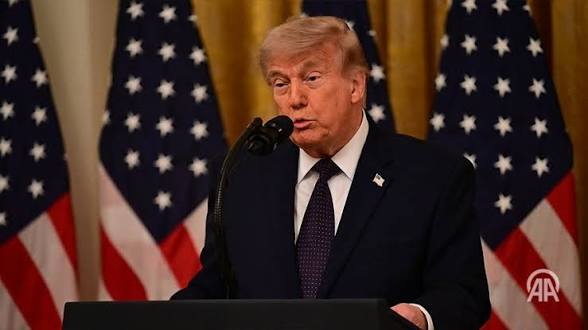
United States President, Donald Trump on Sunday issued a blunt warning to Iran to rein in its proxy forces in Lebanon or face a fresh wave of American military strikes, even as his own vice president sat down with Iranian negotiators in Switzerland for high-stakes peace talks aimed at cementing a lasting end to months of conflict.
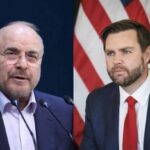
In a post on Truth Social, Trump demanded that Tehran immediately order its highly paid proxies in Lebanon to stop causing trouble, threatening that failure to do so would result in the United States hitting Iran very hard again harder, he said, than it did the previous week. The warning, delivered with characteristic bluntness and a string of exclamation marks, came as Vice President JD Vance arrived at the Bürgenstock Resort overlooking Lake Lucerne for the first face-to-face negotiations between American and Iranian officials in more than ten weeks.
The president’s message added a charged and contradictory dimension to an already fraught diplomatic moment. While Vance was expressing optimism at the Swiss venue, declaring that great progress had been made in the opening hours of talks and indicating he expected more to come, Trump was simultaneously threatening in a separate Fox News interview to resume bombing and take over the Strait of Hormuz if a deal was not finalised.
Trump told the Iranian delegation they would not have a country if they followed through on threats to close the vital waterway.
The Lebanon question lies at the heart of the tension threatening to derail what had appeared to be a diplomatic breakthrough. The memorandum of understanding signed by the United States and Iran last week, with Pakistan serving as a formal witness, included a provision calling for a permanent end to hostilities on all fronts, including Lebanon.
However, neither Israel nor Hezbollah were parties to that agreement. Israel has continued conducting airstrikes in southern Lebanon, killing dozens of civilians in recent days, and has flatly refused to commit to withdrawing its forces from areas it currently occupies.
Hezbollah, in turn, insists it will not halt its attacks on Israeli troops unless Israel makes that commitment.
Iran has made Lebanon a red line in the Switzerland negotiations, with its foreign ministry spokesperson making clear that talks will not advance until the ceasefire commitments are upheld. Tehran also announced at the weekend that it was closing the Strait of Hormuz in response to the Israeli strikes in Lebanon, a move the United States military denied Iran had the practical capacity to enforce.
Trump responded by threatening to impose American tolls on the waterway if a comprehensive deal was not reached within the 60-day window established by the MOU.
The backdrop to Sunday’s talks is a conflict that began in February when the United States and Israel launched joint airstrikes targeting Iranian military, government and nuclear facilities, killing hundreds including Iran’s supreme leader. More than 7,500 people have since lost their lives, the majority of them in Lebanon and Iran. A ceasefire reached in April briefly raised hopes of a settlement, but talks in Islamabad subsequently collapsed after 21 hours without agreement. The Switzerland meeting represents the most significant diplomatic effort since that breakdown, but with Trump simultaneously threatening the very country his envoys are negotiating with, observers say the path to a durable peace remains anything but certain.