



Again, Bangladesh Increases Fuel Prices
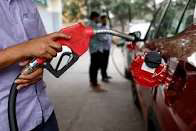
Bangladesh has increased the prices of petrol and kerosene for the second time in six weeks as the government grapples with mounting energy costs linked to tensions in the Middle East and growing pressure on public finances.
The new rates, announced on Monday, raised the price of kerosene from 130 taka to 135 taka per litre, while petrol increased from 135 taka to 140 taka per litre. Diesel prices were left unchanged.
The latest adjustment comes as the South Asian nation seeks to manage the impact of rising global fuel costs on its economy. Bangladesh relies heavily on imports for its energy needs, with about 95 per cent of its fuel sourced from abroad, much of it from Middle Eastern suppliers.
Government officials are also considering an upward review of electricity tariffs as part of broader efforts to address energy sector challenges.
The fuel price increase is expected to place additional pressure on consumers and businesses already dealing with elevated living costs. Higher transport and energy expenses could further affect the prices of essential goods and services across the country.
Although inflation has eased slightly in recent months, it remained high at 9.04 per cent in April, reflecting persistent economic pressures.
In response to concerns over energy security, the government has sought financial support from international partners. In March, authorities announced plans to pursue approximately $2 billion in loans from multilateral institutions to help address energy-related challenges intensified by rising fuel prices.
The move follows ongoing discussions with the over a potential new support programme. Bangladesh is already participating in a $5.7 billion IMF assistance package that began in 2023 and is scheduled to run for four years.
While major urban centres such as have largely avoided widespread electricity disruptions, rural communities have experienced intermittent power shortages, particularly during periods of peak demand.
Electricity consumption typically rises during the summer months, with temperatures in Dhaka frequently reaching around 35 degrees Celsius and increasing demand for cooling systems.
Alongside the fuel price adjustments, Bangladesh has continued efforts to diversify and strengthen its energy supply. Authorities have invited bids for offshore natural gas exploration and are advancing work on the country’s first nuclear power facility.
The project is approaching operational readiness following the completion of the first phase of uranium fuel loading, a milestone expected to support the country’s long-term energy strategy and reduce dependence on imported fuel.