

UAE Says OPEC Exit Not Targeted at Saudi Arabia
The United Arab Emirates has said its decision to withdraw from OPEC was driven by national priorities rather than geopolitical rivalry, despite months of tension with Saudi Arabia.
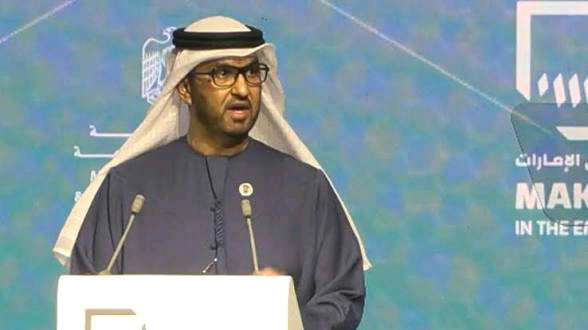
Speaking on Monday, the UAE’s industry and advanced technology minister and chief executive of the Abu Dhabi National Oil Company (ADNOC), Sultan Al Jaber, said the move was a sovereign decision aimed at repositioning the country within the global energy market.
He stated that the withdrawal, which took effect on Friday, was not directed at any country, even as relations with Saudi Arabia—a leading member of the oil bloc—have been strained over oil production policies, regional conflicts, and broader foreign policy differences.
The UAE, previously one of OPEC’s largest producers, has long expressed dissatisfaction with production quotas that limited its output. Officials in Abu Dhabi are seeking to expand capacity to five million barrels per day by 2027, a target that exceeds limits previously agreed within the cartel.
Analysts say the departure could weaken OPEC’s ability to manage global oil prices, given the UAE’s production capacity and influence. It also underscores a widening rift between Gulf allies following disagreements, including a public fallout over the Yemen conflict late last year.
Al Jaber said the exit forms part of a broader economic strategy to align energy policy with industrial growth and technological advancement. He noted that the UAE is pursuing increased investment and diversification to strengthen its economy.
As part of that effort, ADNOC has announced plans to invest $55 billion in new energy projects over the next two years, with expectations that increased oil revenues will support expansion into sectors such as artificial intelligence and advanced technologies.
While other countries have left OPEC in the past, the UAE is among the largest producers to do so, marking a significant shift in the structure of the global oil alliance.