
U.S. Resumption of Visa Processing for Foreign Doctors, Relieves Nigerian Medical Professionals
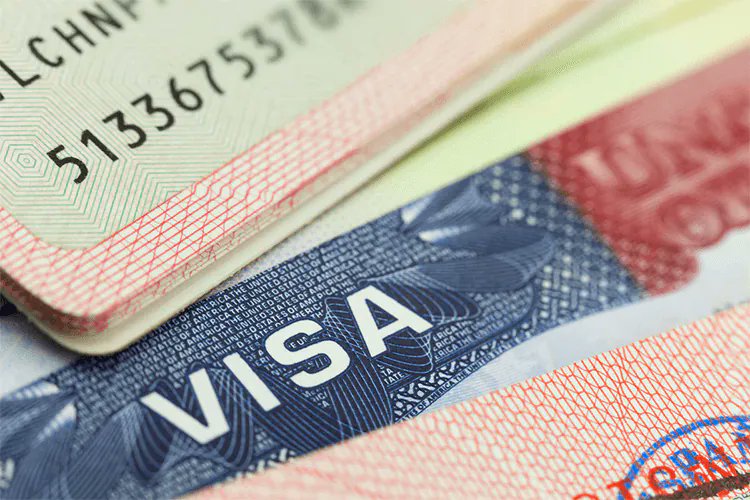
In a significant policy shift, the United States government has resumed visa processing for foreign-trained medical doctors, a move expected to provide major relief to thousands of Nigerian physicians currently working in or seeking to enter the American healthcare system.
The decision comes after a quiet reversal of a January 2026 policy that had effectively frozen immigration decisions for citizens of 39 countries, including Nigeria.
The initial freeze, which took effect earlier this year under an expanded travel ban and security protocol, had stalled applications for visa extensions, work permits, and green cards. This left many Nigerian doctors—who represent a significant portion of the foreign medical workforce in the U.S.—in a state of professional limbo. Reports indicated that several physicians had been placed on administrative leave or faced the risk of losing their residency positions due to the inability to renew their legal status.
The U.S. Citizenship and Immigration Services (USCIS) recently updated its internal guidelines to exempt medical professionals from these restrictions without a formal public announcement. A spokesperson for the Department of Homeland Security confirmed the development on Sunday, stating that “applications associated with medical physicians will continue processing.”
This exemption is viewed as a strategic necessity to address a growing domestic healthcare crisis, with the U.S. currently facing an estimated shortage of 65,000 doctors.
For Nigeria, which consistently ranks as one of the top African countries of origin for foreign-trained physicians in the U.S., the resumption is a vital lifeline. Nigerian doctors often serve in primary care roles within underserved and rural American communities areas that would have been most severely impacted by a prolonged staffing vacuum. The policy reversal ensures that those currently in residency or fellowship programs can complete their training and transition into full-time practice via J-1 waivers or H-1B visas.
While the resumption of processing is a welcome development, some administrative hurdles remain, including a new $15,000 bond requirement for certain Nigerian visa classes and ongoing discussions regarding a proposed $100,000 H-1B filing fee. However, medical advocacy groups, including the American Medical Association, have lauded the move, noting that keeping Nigerian and other foreign doctors at the bedside is critical to the stability of the U.S. healthcare infrastructure.