


Tinubu, Architect of Modern Fiscal Federalism
The concept of fiscal federalism the financial interplay and revenue allocation between Federal, State, and Local governments has long been a complex puzzle in Nigeria. However, President Bola Ahmed Tinubu is redefining this landscape, moving beyond mere rhetoric to implement a bottom-up governance model. He treats the grassroots not as a footnote, but as the primary engine of national growth, ensuring that the wealth of the nation filters down to those who need it most.
Tinubu’s passion for local administration is not a recent political strategy; it is his enduring signature. As Governor of Lagos State, he executed a masterstroke by breaking down 20 large local governments into 57 Local Council Development Areas (LCDAs). Despite facing intense judicial and political opposition from the central government at the time, he remained the sole governor with the grit to maintain this structure. This decentralization launched Lagos into a new era of development, ensuring governance was felt in every corner of the state.
The most potent weapon in Tinubu’s arsenal has always been grassroots development. While some political observers focus on high-level maneuvers, his true strength lies in brandishing this weapon in every seat of power he occupies. By creating smaller administrative units, he ensures that infrastructural development trickles down directly to the people. This strategy effectively creates localized job opportunities and fosters a sense of belonging that larger, more distant government structures often fail to provide.
There is a profound Yoruba proverb that guides his approach: “Eni gbe omo jo ni omo moju” meaning a child recognizes only those who play with them. This philosophy answers the perennial question of how Tinubu maintains his formidable political structure. By bringing government closer to the people’s doorsteps, he earns a brand of loyalty that is organic and enduring. People return the favour of development with their steadfast political support and loyalty, creating a cycle of mutual growth.
Beyond mere policy, Tinubu’s brand of federalism is deeply personal. His political machinery is fueled by a culture of taking care of people’s immediate needs from medical emergencies and education to communal celebrations. Even after leaving the governorship of Lagos, he continued to invest in these local structures. He understands that a leader must shoulder the personal burdens of the people, including those of his party members, to maintain a cohesive and motivated structure.
Accounts from associates like Alhaji Tejumade reveal a leader who quietly funds life-saving medical treatments and personal milestones for both allies and critics. One notable story involves a business owner who approached him for help; Tinubu offered her a choice between his money or his brain. When she chose his knowledge, he facilitated a connection to the UK education sector and helped secure a £100,000 grant. This human federalism ensures that his supporters are not just statistics, but stakeholders in a shared vision.
As President, Tinubu is currently extrapolating this Lagos Formula to the entire Nigerian federation through bold decentralization. A primary example is the move to decentralize electricity, empowering states to generate, distribute and manage their own power. This shift removes the decades-long habit of blaming the Federal Government for power failures, instead putting the tools and the necessary funding directly into the hands of Governors to solve local energy crises.
Furthermore, the approval of State Policing and the establishment of Forest Guards represent a seismic shift in Nigeria’s security architecture. Tinubu operates on the firm belief that local issues require local intervention because locals know their terrain and people better than a distant central command. By empowering states to protect their own citizens, he is dismantling the over-centralized systems that have historically failed to curb insecurity.
Tinubu is also decentralizing federal institutions to ensure regional equity. For the first time in over 50 years, the Nigerian Army training depot is being spread to states like Ebonyi and Osun, giving the South a permanent depot presence. Similarly, the Nigerian College of Aviation Technology (NCAT) is expanding into six campuses across all geopolitical zones. These moves ensure that specialized training and federal presence are no longer concentrated in a single region, but are accessible to all.
Finally, the recent approval of a ₦ 17 billion Grassroots Development Fund for 8,804 political wards marks a new frontier in local empowerment. This initiative bypasses traditional bureaucratic bottlenecks by engaging verified community-based organizations to implement priority projects directly. By taking fiscal federalism to this granular level, Tinubu has moved the concept from a textbook definition to a living reality, cementing his legacy as the true architect of modern Nigerian federalism.
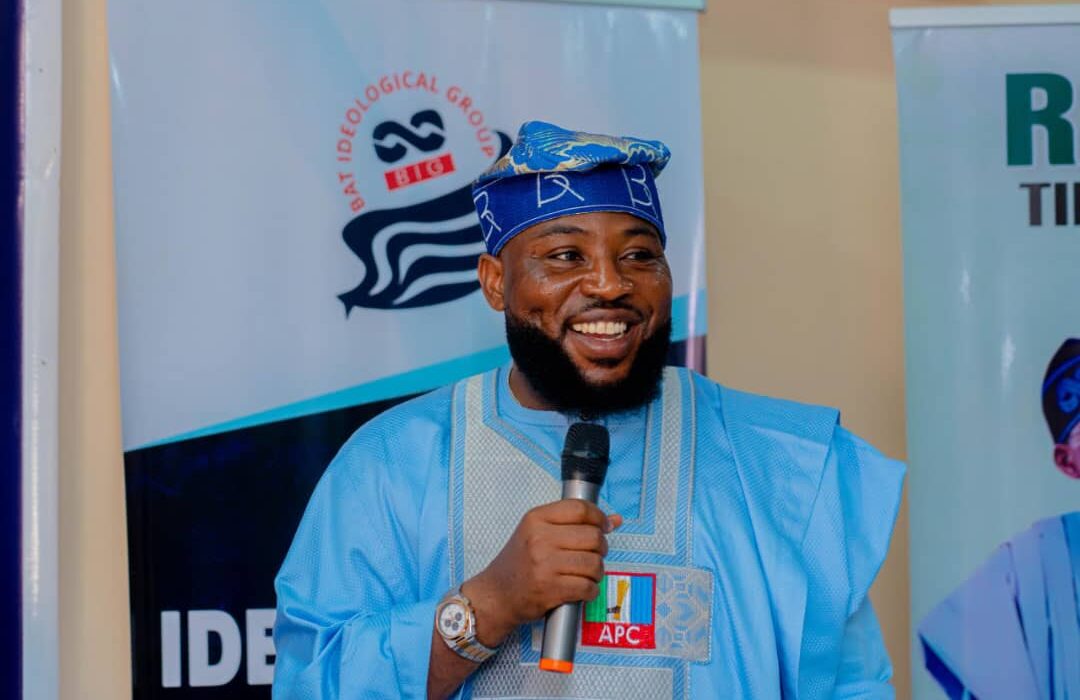
Bamidele Atoyebi is the Convener of BAT Ideological Group, National Coordinator of Accountability and Policy Monitoring and a publisher at Unfiltered and Mining Reporting