



Breakthrough as Zimbabwe Exports First Battery-grade Lithium
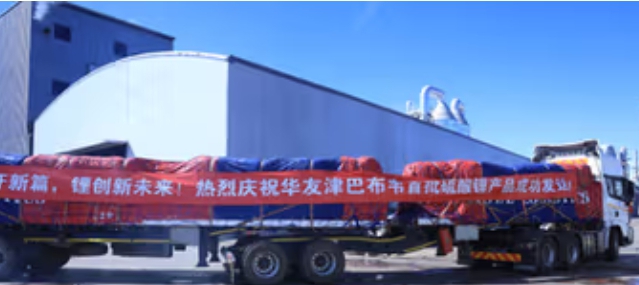
Zimbabwe has exported its first shipment of lithium sulphate from the Arcadia mine near Harare, marking a significant step in the country’s move into higher-value lithium processing.
The inaugural consignment came from the Arcadia lithium mine near Harare, owned by Prospect Lithium Zimbabwe, a unit of China’s Zhejiang Huayou Cobalt. The company said the shipment marked the first lithium salt ever produced in Zimbabwe and across Africa.
Lithium sulphate is a higher-value intermediate chemical used to produce lithium hydroxide and lithium carbonate, two materials widely used in rechargeable batteries for electric vehicles, grid storage systems and consumer electronics.
The milestone came just two months after Zimbabwe suspended exports of lithium concentrate, saying it wanted to curb malpractice, under-declaration and revenue leakages in the sector. Authorities later introduced quotas and stricter conditions for selected miners while maintaining a longer-term ban on raw concentrate exports from January 2027.
The policy shows a broader African push to earn more from critical minerals by processing them locally rather than exporting raw ore to Asia and Europe.
Zimbabwe is Africa’s largest lithium producer and one of the continent’s most strategic sources of hard-rock lithium, a metal central to the clean energy transition. Until now, most of its lithium was exported as spodumene concentrate, leaving much of the value-added refining abroad.
Huayou invested about $400 million in the Arcadia sulphate plant, completed in late 2025. The facility has capacity of 50,000 metric tonnes a year, making it one of the largest downstream lithium processing plants on the continent.
The timing is significant. Global lithium markets are recovering after a prolonged slump caused by oversupply and slower-than-expected EV demand growth in some markets. Lithium carbonate prices in China rose to three-month highs in late April and were nearly 50% higher year-to-date, according to market data. That rebound has improved economics for miners and processors worldwide, while demand remains supported by Chinese EV expansion, battery storage growth and government clean-energy investment.
Chinese companies dominate Zimbabwe’s lithium sector, mirroring Beijing’s wider grip on battery raw materials and refining. Firms including Huayou, Sinomine, Chengxin Lithium and Yahua control major assets in the country. In 2025, Zimbabwe exported 1.13 million metric tonnes of spodumene concentrate to China, accounting for roughly 15% of China’s imports of the material.
For Zimbabwe, the first sulphate export is more than a mining headline. It is an early test of whether resource-rich African nations can move beyond digging minerals and start building industrial supply chains linked to the world’s fastest-growing technologies. If more plants follow, Zimbabwe could emerge not only as a top lithium miner, but as Africa’s first serious battery-material processing hub.