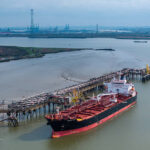



Nigerian Maritime Sector Heaves Sigh of Relief as Strait of Hormuz Reopens
Shippers and shipowners across Nigeria are expressing a cautious sense of relief following the official reopening of the Strait of Hormuz to commercial traffic.
The strategic waterway, which serves as a primary artery for roughly 20% of the world’s oil and significant quantities of liquefied natural gas (LNG) and fertilizer, had been effectively paralyzed due to escalating geopolitical tensions in the Middle East. For Nigeria’s import-dependent economy, the closure represented a looming crisis that threatened to spike the landed cost of goods and disrupt industrial production.
During the height of the blockade, Nigerian maritime stakeholders reported significant operational strain. Shipowners faced skyrocketing war-risk insurance premiums, which added thousands of dollars to the daily cost of operating vessels near the region. Meanwhile, importers experienced “shipment shock” as major shipping lines rerouted vessels or implemented “emergency surcharges.” This led to fears that the price of petrol in Nigeria already a sensitive economic trigger could have surged well beyond current levels if the disruption had persisted.
The impact was felt most acutely in the manufacturing and agricultural sectors. The Strait is a critical transit point for nitrogen-based fertilizers and chemical feedstocks essential for Nigeria’s food security. With the closure, the price of urea and ammonia saw dramatic global hikes, forcing local distributors to brace for a shortfall ahead of the planting season.
The reopening, confirmed by international maritime authorities following a regional ceasefire, has triggered an immediate response in the markets. Global oil prices dropped by over 11% shortly after the announcement, providing much-needed breathing room for the Nigerian government as it manages domestic fuel subsidies and supply. Local shipowners’ associations have welcomed the development, noting that a stable Strait of Hormuz is vital for the predictability of international trade routes.
While the “Hormuz Chokehold” appears to be easing, experts suggest the crisis has served as a wake-up call for Nigeria’s maritime and energy independence. Analysts point to the strategic importance of domestic assets, like the Dangote Refinery, which began ramping up capacity during the crisis to mitigate the impact of external supply shocks.
For now, however, the primary focus for Nigerian shippers is clearing the backlog of delayed cargo and stabilizing freight rates as the global supply chain slowly returns to its regular rhythm.