

Don’t Vote For Me Because Of Religion or Tribe, Peter Obi Tells Supporters
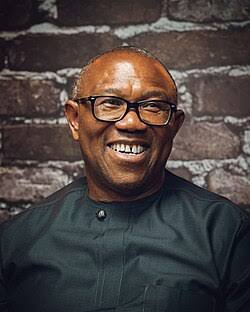
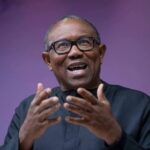
In a significant appeal to the Nigerian electorate, Peter Obi, the former Labour Party presidential candidate, has urged citizens to reject the influence of religion and ethnicity in their voting decisions.
Speaking during a recent public engagement, Obi emphasized that the pressing issues of national development, economic stability, and security do not favor any particular faith or tribe. He argued that the persistent focus on a candidate’s background rather than their ability to deliver results has contributed to the country’s current challenges.
Obi challenged his supporters to look beyond identity politics and instead prioritize character, competence, and capacity. He underscored this by stating, “Don’t vote for me because I am from the South-East. Don’t vote for me because I am a Christian. Hunger has no tribe. Insecurity has no religion. We must vote for people who can solve our problems and move this nation from consumption to production.” He noted that the high cost of living and systemic insecurity are “equal-opportunity” problems that affect every Nigerian regardless of their geographical location or religious affiliation.
The former governor’s remarks underscore his long-standing campaign theme of moving Nigeria toward a more productive economy. He maintained that a leader’s primary responsibility is to create an environment where every citizen can thrive, which can only be achieved if the electorate demands accountability over tribal sentiment. His message serves as a call to action for Nigerians to seek leaders who possess the actual technical knowledge and integrity to navigate the country’s complex socioeconomic landscape.
While this stance has garnered widespread praise from a younger, reform-minded demographic, it remains a challenge in a political environment where regional interests often dictate party strategy. Nevertheless, Obi’s insistence on “voting for a New Nigeria” continues to resonate with those tired of the status quo. His plea highlights a growing desire for a governance model that treats all citizens as Nigerians first, moving the country away from the divisive rhetoric that has historically characterized its electoral cycles.