
China-bound Tanker Aborts Passage Amid Escalating U.S. Blockade
Tensions in the Strait of Hormuz reached a fever pitch on Monday as ship-tracking data confirmed that at least two tankers bound for China were forced to reverse course following the commencement of a U.S. naval blockade. According to maritime analytics from MarineTraffic, the 188-meter tanker Rich Starry turned back just 20 minutes after the blockade officially began at 1400 GMT.
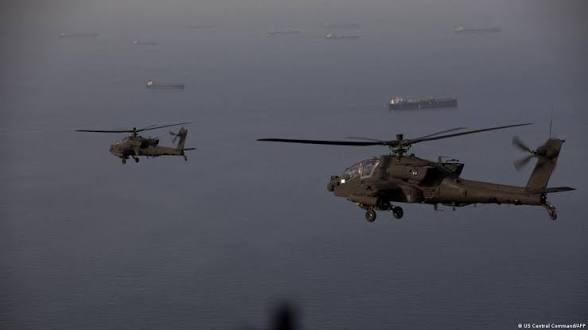
The vessel, which had recently departed from Sharjah, was reportedly carrying a cargo of oil destined for Chinese ports before U.S. Central Command (CENTCOM) forces intercepted its planned trajectory.
The enforcement action follows the dramatic collapse of high-stakes diplomatic negotiations in Islamabad between Washington and Tehran over the weekend.
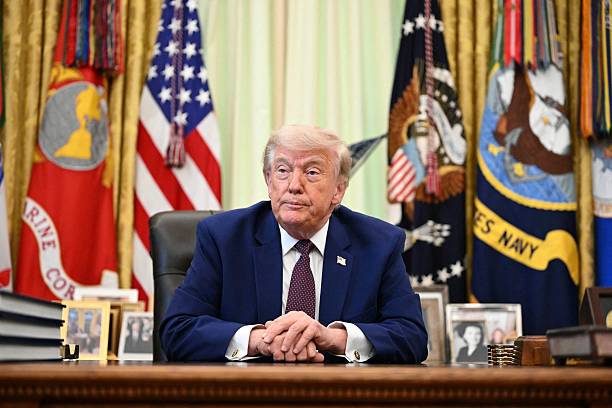
President Donald Trump, citing Iran’s refusal to abandon its nuclear ambitions and alleged “global extortion” through maritime threats, ordered the U.S. Navy to interdict all traffic entering or exiting Iranian ports. While CENTCOM stated that the blockade is intended to be “impartially enforced” against vessels of all nations, the immediate impact has fallen heavily on China-bound energy exports, which account for the vast majority of Iran’s current oil trade.
Data highlights a second vessel, the Ostria, a tanker described by analysts as operating under a “false flag,” which also made a sudden U-turn near the mouth of the Strait. Observers noted that these early turnarounds reflect a sharp behavioral shift among ship owners and insurers who are unwilling to risk military confrontation or vessel seizure. At least 732 vessels remain effectively “trapped” or idling in the Persian Gulf, creating a massive logistical bottleneck as the U.S. Navy begins the process of interdicting ships suspected of having paid tolls to Iran for safe passage.
Beijing has expressed stern opposition to the blockade, with state-affiliated outlets warning that foreign military interference in the Strait of Hormuz could destabilize global energy security. The blockade marks a significant escalation in the use of naval power to enforce economic sanctions, as the U.S. seeks to “choke off” the financial lifelines of the Iranian government. Analysts suggest that the redirected global crude flows, which are now increasingly heading toward the U.S. Gulf, indicate a fundamental restructuring of the international oil market in response to the crisis.
As of Monday evening, the Strait of Hormuz has transformed from a controlled commercial chokepoint into a contested military zone. While the U.S. maintains it will not impede freedom of navigation for ships traveling to non-Iranian ports, like those in the UAE or Oman, the sheer scale of the naval presence has chilled commercial activity across the region. With Iranian Revolutionary Guards warning of a “deadly vortex” for any who challenge their control of the waterway, the international community remains on high alert for a potential kinetic exchange between the world’s two largest economies’ interests in the Gulf.