
FG Does Not Pay Ransom to Kidnappers, Claims Defence Minister
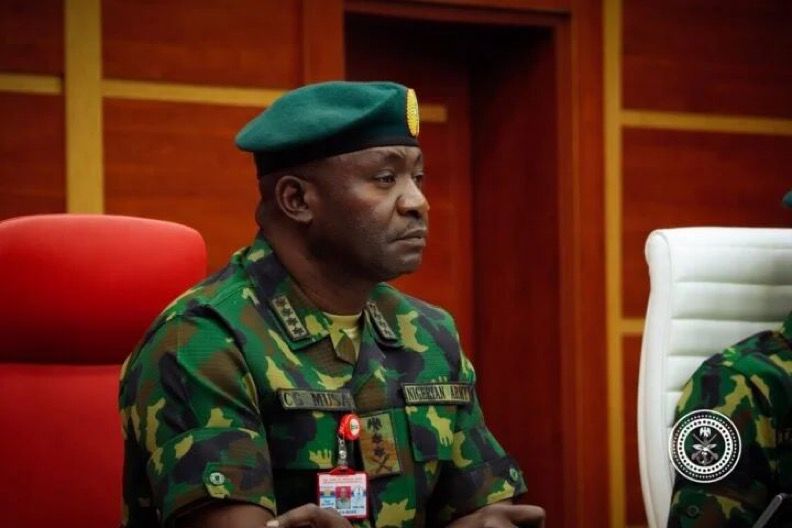
The Federal Government has reaffirmed its long-standing policy of refusing to negotiate financially with kidnappers and terrorist groups, insisting that ransom payments only worsen insecurity across the country.
Minister of Defence, Gen. Christopher Musa (retd), made the clarification during an interview with BBC Hausa, where he outlined the government’s approach to tackling abductions and violent crimes.
According to him, the military relies on intelligence-driven operations rather than monetary negotiations to secure the release of victims.
He said, “I do not encourage that because if you continue to pay terrorists and kidnappers, everyone will join.
“Government doesn’t pay ransom to rescue anyone from terrorists. It is individuals who make such payments. Whenever there is a case of kidnapping, the military always swings into action.
“Most times, when we hear of such incidents and the location is ascertained, we enter into the bush and the kidnappers run, leaving their captives, who are then rescued in the process.”
Addressing concerns about the persistent activities of criminal groups despite military operations, Musa explained that the size and terrain of Nigeria present major challenges to security forces. He noted that insurgents often relocate quickly to avoid being apprehended.
“You should understand something. This country is big; if soldiers swing into action and cover a particular location, the terrorists immediately move to another location,” he said.
The minister also emphasized the importance of strengthening border security as part of efforts to curb terrorism and transnational crime. He disclosed that plans are underway to improve surveillance and monitoring of Nigeria’s borders with neighboring countries.
Musa added, “Yes, we are on that mission to ensure that we keep an eye on people coming in from neighbouring countries, so that they can be well documented.
“If we build it, it will help us prevent people from bringing illegal substances into the country, and it will also stop criminals from entering, carrying out attacks, and escaping. In addition to physical barriers, it is not everywhere that a wall can be built; there are places with water where a wall cannot be constructed.
“There are also modern technological devices that can be installed, which can monitor movements and show where people are coming from.”
While highlighting government efforts, the defence minister urged Nigerians to play a more active role in the fight against insecurity by reporting suspicious activities to the authorities. He warned against offering assistance to criminal elements in any form.
“What is most important is for people to understand that when they see suspicious individuals like these, they should know where and how to report them. That is why we are appealing to the public: stop associating with them. Those who supply them with food or sell things to them should stop,” he said.
Reiterating the military’s commitment to restoring peace nationwide, Musa assured that additional measures would be introduced to strengthen ongoing operations.
“We are going to redouble our efforts in order to tackle issues of insecurity as the President gives all the necessary support. We will be deploying technologies and troops to those places that are under security threat and where there are insufficient troops.
“We are cooperating with neighboring countries like Niger, Chad, and Cameroon, because this fight requires a collective effort,” he said.
The minister expressed confidence that with improved collaboration, technology, and public support, significant progress would be achieved in the battle against terrorism and kidnapping.